

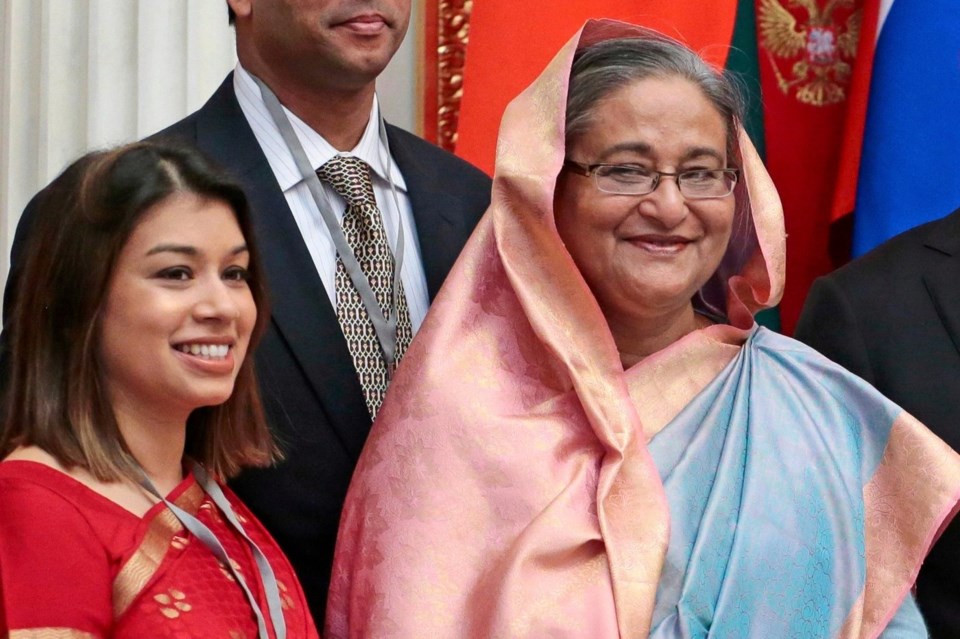
A stunning court verdict in Dhaka on Monday has placed Bangladesh’s former Prime Minister Sheikh Hasina and her niece, British Labour MP Tulip Siddiq, at the centre of a major corruption scandal. The Special Judge’s Court sentenced Hasina to five years in prison and Siddiq to two years for their involvement in a government land project, ruling that Hasina abused her authority as prime minister while Siddiq influenced her aunt to secure land for her mother and siblings. Siddiq’s mother, Sheikh Rehana, received a seven-year sentence and was labelled the primary beneficiary. All three were fined $813 and the court cancelled Rehana’s land allotment. Fourteen additional suspects remain charged.
Prosecutors expressed dissatisfaction, saying they sought life sentences and may pursue further legal action. Authorities maintain that Siddiq was tried as a Bangladeshi citizen based on official documents, a claim Siddiq firmly rejects, insisting she is solely British and calling the case a politically motivated fabrication. Representing London’s Hampstead and Highgate, Siddiq has repeatedly denied the allegations. Earlier this year she resigned from the U.K. government, stating that although she had been cleared internally, the controversy was overshadowing her work.
Hasina, in exile in India since her government fell last year, has faced a series of trials in absentia. In November she was sentenced to death in a separate case related to human-rights violations during the crackdown on the uprising that ended her 15-year rule. Neither she nor the others in the current case appointed defence lawyers. Rehana and Siddiq’s siblings also remain abroad while facing additional charges connected to last year’s unrest. The verdict adds to a growing list of sentences against Hasina, including a 21-year jail term issued by another court on November 27 involving the same township development.
Bangladesh is now being administered by an interim government led by Nobel Peace Prize laureate Muhammad Yunus, who has scheduled the next parliamentary election for February, setting the stage for a tense and closely watched political transition.