

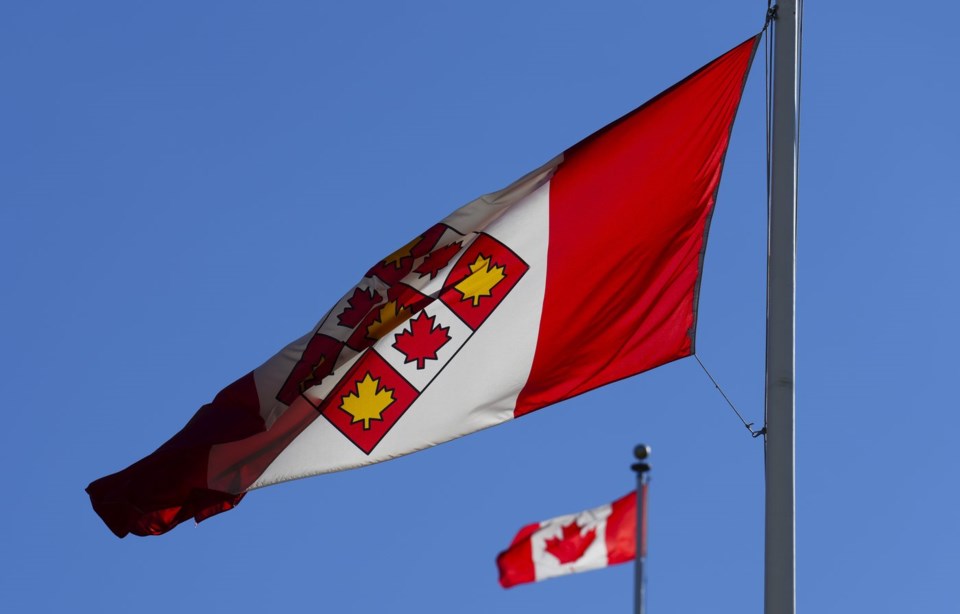
As the Supreme Court of Canada celebrates its 150th anniversary, legal scholars and Canadians alike are reflecting on a legacy of landmark rulings that have profoundly shaped the country’s laws, rights, and democratic principles since the court’s founding in 1875.
Over the decades, the Supreme Court has presided over cases that expanded civil liberties, defined federal-provincial powers, and advanced equality. Here are some of the most significant decisions in its history:
One of the earliest was the Persons Case (1928), in which the court initially ruled that women were not considered “persons” under Section 24 of the British North America Act and were therefore ineligible for appointment to the Senate. That decision was later overturned by the Judicial Committee of the Privy Council, paving the way for women’s participation in public office.
In Roncarelli v. Duplessis (1959), the court upheld the rule of law by ordering Quebec Premier Maurice Duplessis to pay damages after he abused his power to revoke a restaurant owner’s liquor licence over religious differences.
The Patriation Reference (1981) clarified that the federal government could legally patriate and amend Canada’s Constitution without provincial consent, while also affirming that significant constitutional changes require broad provincial agreement.
The Big M Drug Mart case (1985) marked a key moment for religious freedom in Canada. The court struck down the federal Lord’s Day Act, ruling that forcing businesses to close on Sundays infringed upon Canadians’ Charter right to freedom of religion.
In Vriend v. Alberta (1998), the court advanced equality rights by ruling that Alberta’s failure to include sexual orientation as a prohibited ground for discrimination violated the Charter. This decision had a lasting impact on human rights protections in Canada.
The Morgentaler case (1988) was a watershed moment for reproductive rights. The court struck down Canada’s abortion law as unconstitutional, ruling that it violated women’s rights to life, liberty, and security of the person under the Charter.
In Marshall (1999), the court recognized the treaty rights of Indigenous peoples, reversing the conviction of Donald Marshall Jr. and affirming Mi’kmaq hunting and fishing rights promised in 18th-century treaties.
Most recently, the Jordan decision (2016) reshaped Canada’s criminal justice system by setting strict timelines for trials. Under this framework, delays exceeding 18 months in provincial court or 30 months in superior court are presumed to be unreasonable, prompting widespread reforms to court processes across the country.
For 150 years, the Supreme Court has stood as the final arbiter of Canadian law, interpreting the Constitution and Charter in ways that have redefined the nation’s social and legal landscape. From gender equality and Indigenous rights to freedom of religion and timely justice, these landmark rulings continue to influence how Canadians live and how governments govern.