

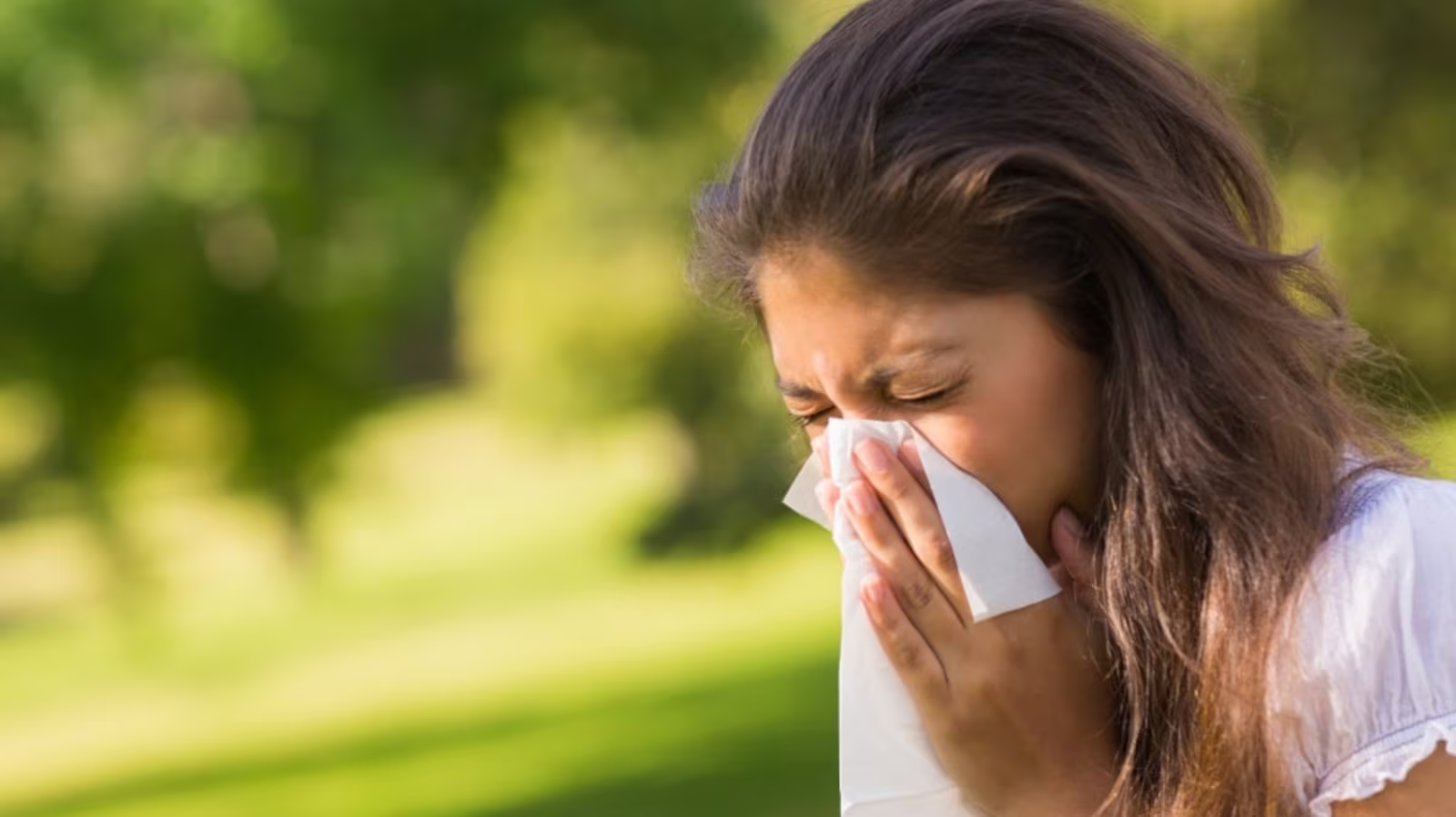
Allergy sufferers across the city may want to stock up on tissues and antihistamines, as experts warn that an “intense” allergy season is about to take hold in Toronto.
After a temporary break brought on by an unseasonably cool spell, warmer temperatures returning this month are expected to trigger a surge in highly allergenic pollen, according to Ottawa-based Aerobiology Research Laboratories (ARL). The organization monitors airborne allergens across the country and says spring got an early jump this year, thanks to March and April’s mild weather — but then cooled off, only to ramp back up again just in time for peak pollen conditions.
“Now it’s heating up,” said ARL director Daniel Coates in an interview with CTV News Toronto. “Pollens had a bit of a start, then went dormant when it got cold again. Now we’re entering the stretch where the worst pollens — like birch, ash, and oak — will dominate.”
By this weekend, birch and ash pollen levels are expected to spike significantly, with oak rising shortly after. Coates emphasized that these are among the most allergenic tree pollens, meaning many Torontonians may experience worsened symptoms, including sneezing, itchy eyes, and congestion.
While Coates doesn’t anticipate a full-blown “pollen apocalypse,” he warned that May will be “really bad” for allergy sufferers, although the overall season is predicted to be about average in severity. The so-called “tree season” usually tapers off by mid-to-late June, giving way to the summer’s equally dreaded grass and weed seasons — especially ragweed, which is rampant in Toronto and often leads to miserable symptoms in August and September.
One complicating factor, Coates explained, is climate change. With increasingly unpredictable temperature swings, it has become more difficult to pinpoint the beginning and end of pollen seasons. Over the last 25 years, Canada’s pollen count has nearly doubled — from 500,000 grains in the late 1990s to nearly one million today.
“Pollen is like a business — it has its ups and downs,” Coates said. “But the trend line shows that we’ve nearly doubled our pollen grains nationally. That’s significant.”
To help Torontonians manage their seasonal allergies, Coates recommended a few strategies. First, consult an allergist to determine what specific pollens trigger your symptoms. That way, you can tailor a plan of action rather than feeling like you have a never-ending cold. Second, monitor the daily pollen forecast — especially on high-count days for pollens you’re allergic to — and modify your outdoor activity accordingly. Finally, when you return home, take steps to keep the outdoors from following you inside. Take off shoes before entering, and keep pets off beds and couches where pollen can linger.
The ARL continues to monitor pollen levels through 30 collection sites across Canada, including downtown Toronto, providing forecasts that can help allergy sufferers better prepare — and hopefully breathe a little easier.