

President Donald Trump’s optimistic narrative of a “golden age” for the U.S. economy is facing mounting skepticism as economic data and public sentiment reveal growing cracks in his economic strategy.
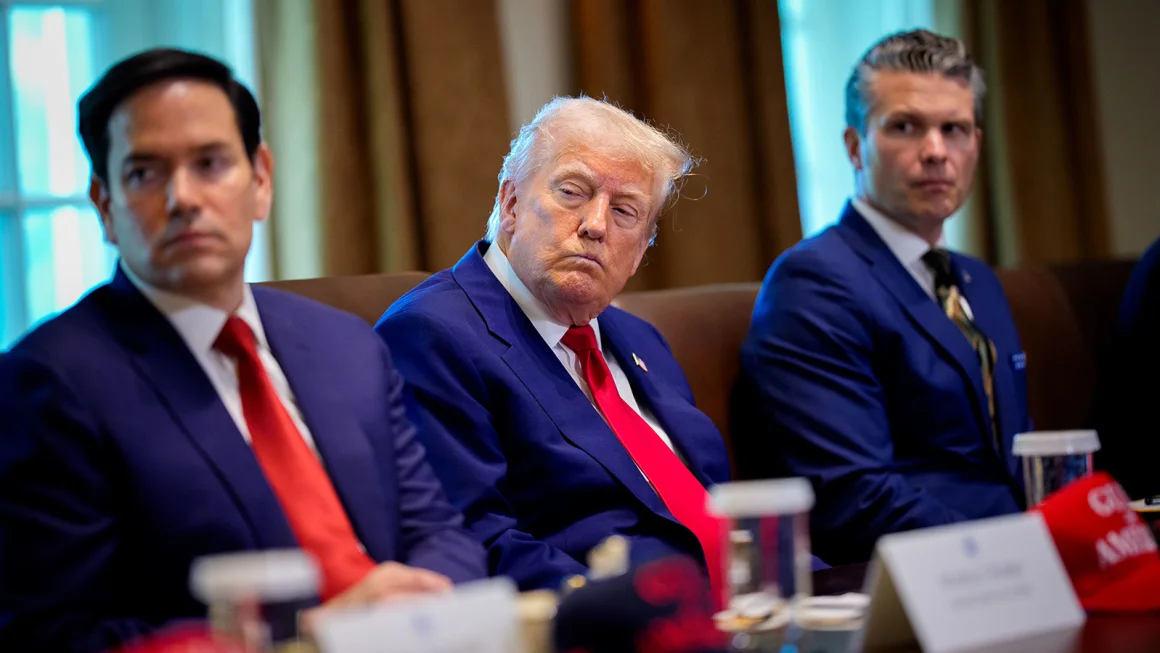
On Wednesday, Trump struck a notably different tone at a Cabinet meeting, warning that American families may soon have “two dolls instead of 30” as the cost of imported goods rises due to his aggressive tariff policy on China. The remark followed the release of a 0.3% contraction in GDP for Q1 2025 — the first major signal of economic slowdown since his return to office.
Though some economic indicators remain steady, the symbolism of a shrinking economy just 100 days into Trump’s second term is politically damaging. Trump’s economic brand has long hinged on his image as a successful businessman. If confidence in his ability to manage growth falters, so could his fragile coalition in Congress and among voters.
The White House responded defensively, blaming the downturn on President Biden’s earlier administration. But analysts and critics argue Trump’s own policy decisions — particularly his abrupt escalation of trade wars — are responsible for growing consumer anxiety, market volatility, and inflation risks.
Former Treasury Secretary Larry Summers characterized the first 100 days as potentially the “least successful” on the economy in modern U.S. history, citing declining stock markets, surging inflation forecasts, and plummeting consumer confidence.
Despite the administration’s attempt to spin the GDP data as a temporary blip caused by preemptive import stockpiling, the broader economic outlook appears troubled. Trump’s inner circle continues to portray the situation as under control, but critics suggest the president is receiving curated advice rather than an honest assessment.
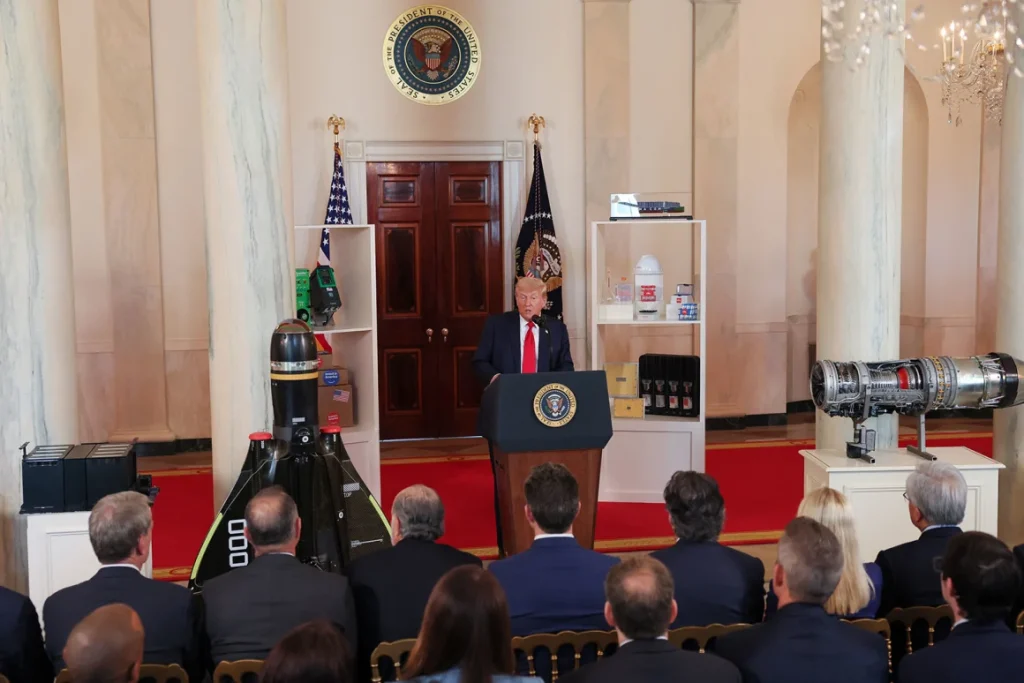
Trump’s key argument — that higher tariffs are necessary to reduce reliance on China — is sound in theory, but critics say the strategy lacks transparency, structure, and credible negotiation progress. So far, no major breakthrough with Beijing has materialized, and consumers are beginning to feel the squeeze.
A significant concern is the widening gap between Trump’s rhetoric and the lived experience of Americans, particularly low- and middle-income families already grappling with high grocery bills and shrinking retirement accounts.
Meanwhile, in public appearances, Trump continues to tout his presidency as historic. “Our Golden Age has only just begun,” he told supporters in Michigan on Tuesday night.
But as economic reality sets in, analysts warn that Trump’s tightly controlled messaging — filled with praise from loyal cabinet members and economic advisors — may be out of step with rising public concern, and could prove politically costly if perceptions harden that America’s economic engine is slowing down under his leadership.