

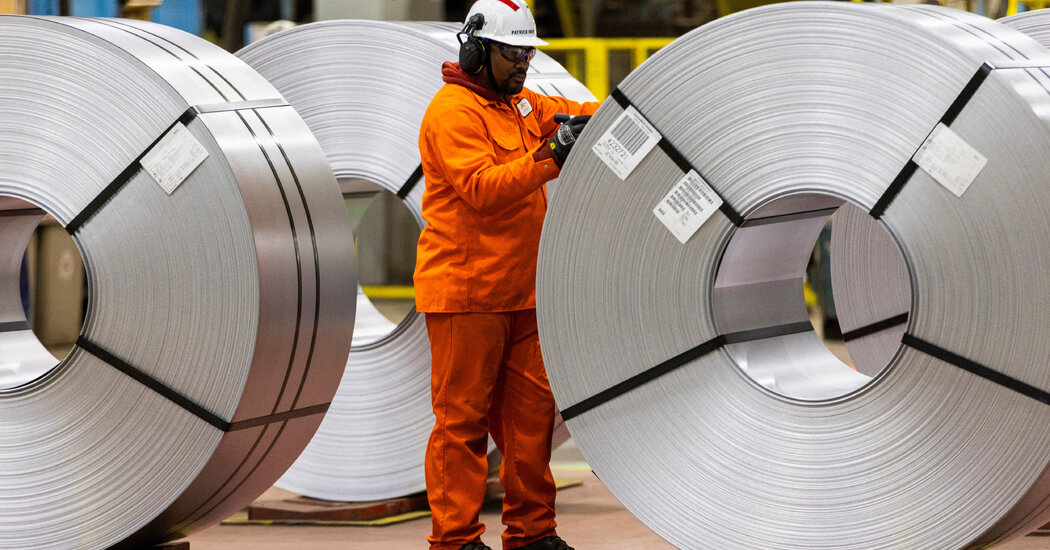
A proposed 25% tariff by former U.S. President Donald Trump on Canadian Cold Rolled Steel (CRS) imports is raising alarms across key sectors of the Canadian economy—especially the auto manufacturing, trucking, and tire industries.
While the move primarily targets steel, its ripple effects could disrupt a much broader swath of Canada’s industrial landscape, hitting jobs, exports, and everyday costs.
Steel and Auto: A Cross-Border Chain Reaction
Canada’s steel producers, including major players like Stelco and Algoma, export a substantial portion of CRS to the United States—used widely in car bodies, chassis, appliances, and infrastructure. A steep tariff would make Canadian steel less competitive in the U.S. market, forcing manufacturers to cut back on production and investment.
The Canadian automotive industry, heavily integrated with U.S. supply chains, is particularly vulnerable. CRS is a key material in auto parts production, and if U.S. automakers shift sourcing away from Canadian suppliers, the downstream impact could be severe. Ontario’s assembly plants and parts suppliers are at risk, potentially threatening thousands of jobs.
Trucking and Logistics Could Hit the Brakes
The Canadian trucking industry, which plays a vital role in cross-border freight, could also face headwinds. Reduced export volumes of steel and auto parts mean fewer goods to haul—translating to underutilized trucks, lower revenues, and potential job cuts in logistics.
“Fewer steel coils and car components heading south means fewer routes and less income for many in the trucking sector,” said one industry insider. “This will hit small trucking firms and independent owner-operators the hardest.”
Additionally, truck repair and maintenance shops that rely on high demand from busy fleets may also see reduced traffic and revenues.
Tire Dealers Feel the Pressure—Indirectly
Although truck tires in Canada are largely imported from China and not directly subject to the U.S. tariff, the tire industry won’t escape unscathed.
Reduced long-haul trucking activity could lead to lower demand for replacement tires, particularly in the commercial heavy-duty segment. Fleets may delay maintenance and stretch tire usage to cut costs. Tire dealers and service shops, especially those that focus on bulk sales to trucking firms, could see slower sales and tighter margins.
With profit margins already thin in the retail tire market, any dip in demand could spell trouble for smaller dealers.
Wider Economic Consequences
Beyond industry-specific impacts, the broader Canadian economy could feel the strain. A drop in steel exports would affect GDP, provincial economies like Ontario and Quebec, and Canada’s overall trade balance with the U.S. In turn, this could increase pressure on the federal government to respond—potentially sparking another round of retaliatory tariffs and trade tensions.
Some experts suggest that an oversupply of CRS in Canada may temporarily lower domestic steel prices, benefiting local construction and manufacturing. But this short-term relief may not offset the long-term consequences of reduced access to the U.S. market.