

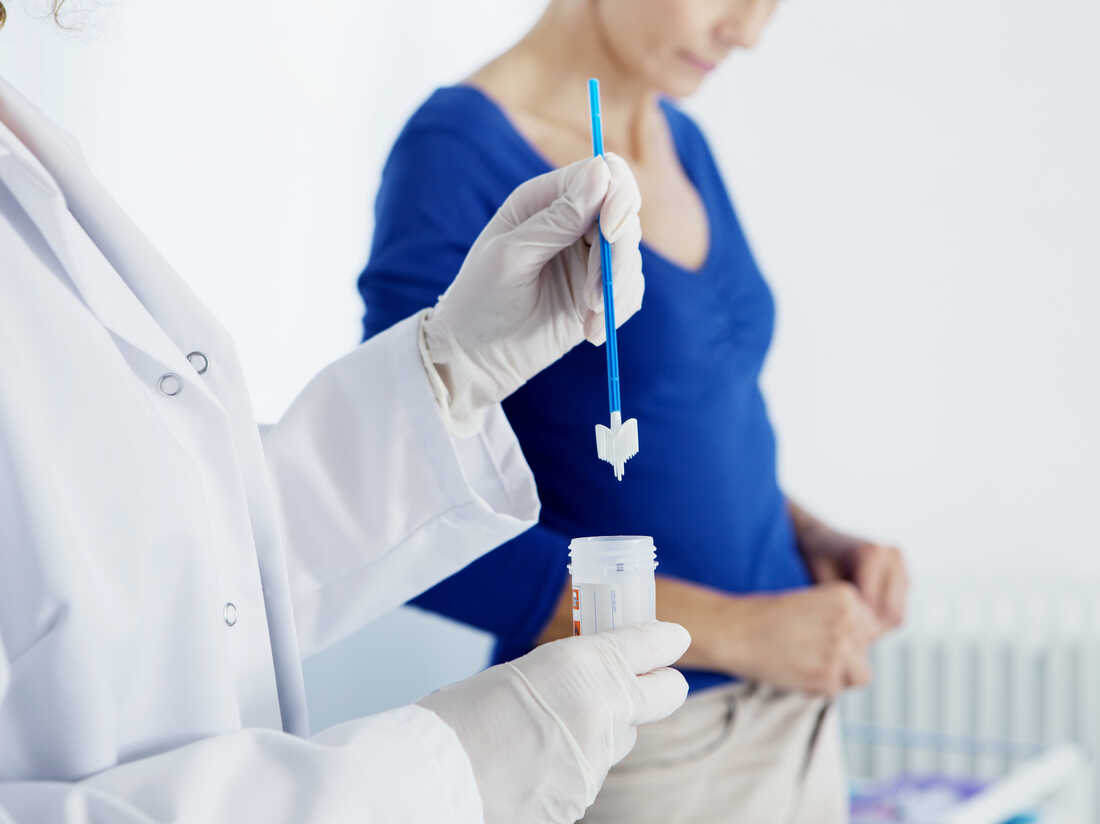
Ontario is making a major shift in cervical cancer screening, replacing traditional Pap tests with human papillomavirus (HPV) testing starting next week. The new method is considered more accurate, allowing for earlier detection of cervical cancer and less frequent testing for most patients. However, unlike in British Columbia, at-home self-screening kits will not be part of the initial rollout, meaning patients will still need to visit a healthcare provider for the test.
The transition, set to take effect on March 3, follows similar moves by British Columbia and Prince Edward Island. HPV tests work by detecting the virus responsible for cervical cancer rather than looking for pre-cancerous cell changes, as Pap tests do. According to Ontario Health, this method reduces false positives, minimizes unnecessary follow-up testing, and identifies at-risk populations more effectively.
While the screening process will remain largely the same for patients—requiring a doctor, nurse, or midwife to collect a cervical sample using a speculum—the way the sample is analyzed will be different. Previously, Pap tests involved examining cervical cells for abnormalities. The new approach will first test for HPV, which is the primary cause of cervical cancer. If HPV is detected, the sample will undergo additional testing to determine whether it has caused cell changes that increase cancer risk.
This shift also means patients will need to be screened less often. Under the new guidelines, routine cervical cancer screening will begin at age 25—four years later than the previous starting age of 21. For those who test negative for HPV, the recommended screening interval will be extended from every three years to every five years. Patients who test positive will be retested in two years, and if their results remain clear, they can return to the five-year screening schedule. Immunocompromised individuals will continue to be screened every three years.
HPV testing is becoming the global standard for cervical cancer screening. Several Canadian provinces, including Quebec and Nova Scotia, are already in the process of adopting it, while international programs in Australia, the Netherlands, and the United Kingdom have also made the switch. Ontario Health states that this transition is intended to improve detection rates and reduce unnecessary procedures.
Dr. Amanda Selk, a Toronto-based obstetrician-gynecologist, emphasizes the importance of screening. “This test will help catch cancer earlier and reduce false alarms that can lead to extra, often unnecessary, testing,” she said.
Despite its benefits, Ontario’s new program will not yet include self-screening kits, which have been introduced in British Columbia. In B.C., patients can now collect their own samples at home using a vaginal swab and mail them to a lab for testing—an option that has been shown to be just as accurate as provider-collected samples. The self-screening model is seen as a way to increase participation, particularly among vulnerable populations, including transgender individuals and those in rural communities.
For now, Ontario Health says self-collection remains unavailable through OHIP and is not yet recommended by the Ontario Cervical Screening Program. However, officials acknowledge its potential benefits and say a phased approach will help determine how best to integrate self-screening into the province’s healthcare system in the future.
Cervical cancer rates in Canada have been rising, with an average annual increase of 3.7% between 2015 and 2019, according to the Canadian Cancer Society. It is currently the fastest-growing cancer among females in the country.
“We’re suddenly losing some ground,” said Dr. Selk. “This test will help improve that, but only if patients get screened.”
Although she acknowledges that the speculum exam remains an uncomfortable experience for many, she stresses that routine testing is crucial in preventing cervical cancer. “It’s not the most comfortable test, but it’s a really good test. When used effectively, cervical cancer is highly preventable.”
With the new screening program set to launch next week, Ontario is taking a significant step toward improving early detection—but for now, patients will still need to make that doctor’s appointment.