

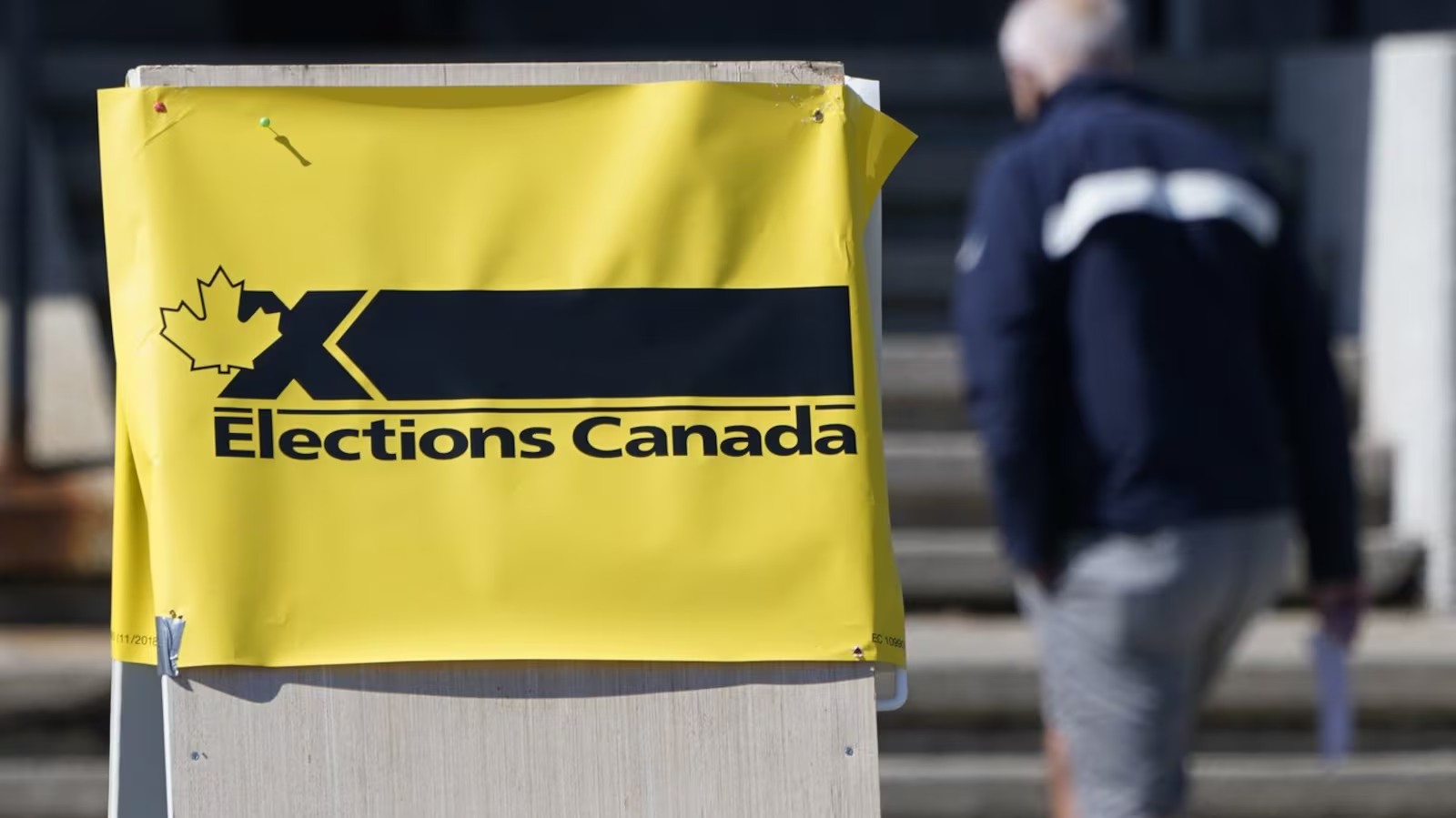
As Canadians prepare to head to the polls on April 28 to elect the next federal government, voters in Toronto are zeroing in on the key issues shaping their city—and their decisions. From economic uncertainty triggered by international trade tensions to an increasingly unaffordable housing market, Torontonians are demanding more than just promises; they want concrete leadership and solutions.
One of the most pressing concerns for Toronto voters this election is the impact of U.S. President Donald Trump’s renewed trade war. With tariffs rattling economies across North America, Toronto’s business community is feeling the pressure. Giles Gherson, President and CEO of the Toronto Region Board of Trade, says the city’s economic competitiveness is suffering. As Toronto represents 20 per cent of the national economy, Gherson argues that Canada must take bold steps to reform regulations and improve the tax system in order to retain capital and stimulate job growth. He warns that while Trump blames Canada for benefiting from U.S. trade, the reality is the opposite: “We’ve been subsidizing them. We’ve been financing their growth.”
The trade issue is deeply connected to a broader economic picture where Toronto continues to bleed investment and talent to U.S. cities. Gherson believes that if there’s a silver lining in Trump’s aggressive trade tactics, it’s that they have forced Canada to confront its longstanding economic vulnerabilities. In response, the major federal parties are offering different approaches: the Conservatives propose allowing an extra $5,000 in TFSA savings for investments in local companies, the Liberals would eliminate the waiting period for employment insurance for those affected by trade losses, and the NDP suggests an emergency price cap on basic goods, redirecting counter-tariff revenue to struggling Canadians.
Another top concern dominating voter conversations in Toronto is the housing crisis. Despite slight cooling in some areas, rents and home prices remain far out of reach for most residents. Stephanie Bertolo, a board member with More Neighbours Toronto, says that the lack of affordable housing in Toronto is a result of years of underbuilding and lack of coordination across levels of government. As of March, the average rent for a one-bedroom apartment in Toronto is $2,313, while the average home price is over $1 million.
The federal government has committed $2.55 billion in low-cost financing to build nearly 5,000 new rental units in the city, including 1,075 affordable homes. But advocates like Bertolo say more is needed—including federal leadership to cut red tape, revise zoning laws, and hold municipalities accountable for housing targets. Parties have responded with varied proposals: the Conservatives would reimburse cities for slashing development fees, the Liberals promise 500,000 new homes annually, and the NDP would prevent corporate buyouts of existing affordable units.
Past voting trends show that Toronto’s urban core strongly backed the Liberals in the 2021 federal election, with over 52 per cent of voters choosing red, while the suburbs leaned slightly more Conservative. However, a shift could be underway, particularly among young urban voters and affluent families who may be reconsidering party loyalty in response to changing economic pressures.
Experts agree that while policy announcements are plentiful, voters in Toronto are looking for something more this time around. Gherson says it best: “It’s going to take some real leadership to solve the problem.” As election day draws near, Torontonians are waiting to see who will rise to the occasion.