

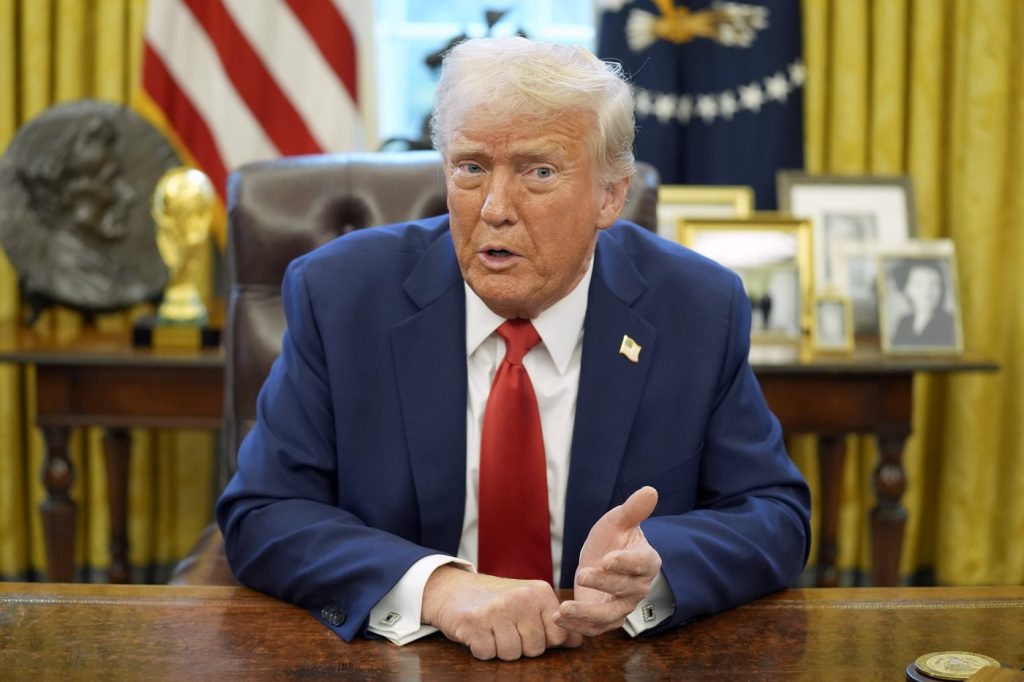
Just four years after the U.S. military’s withdrawal from Afghanistan in August 2021, reports indicate that Pakistan’s military is strategizing to entice the U.S. administration, led by President Donald Trump, into returning to the region.
According to reports, Pakistan’s armed forces are reportedly preparing for a large-scale military operation targeting factions linked to the Islamic State (ISIS) in Afghanistan. This development is seen as an attempt to draw Washington back into the conflict, potentially positioning the U.S. as a counterterrorism partner once again.
Historically, Pakistan has benefited from substantial financial support from the United States, receiving billions in aid under the pretext of counterterrorism efforts and regional security cooperation. The country played a significant role as a key U.S. ally during the War on Terror, providing logistical support, intelligence-sharing, and military collaboration in exchange for economic and military assistance.
However, the 2018-2021 Trump administration took a harsher stance on Pakistan, cutting military aid and accusing Islamabad of harboring terror groups while claiming to fight extremism. This strained relations between the two nations and contributed to the U.S. withdrawal from Afghanistan in August 2021.
Despite reports of Pakistan’s attempts to re-engage the U.S. in Afghanistan, analysts remain skeptical about whether President Trump would authorize a military return to the region.
Trump’s “America First” policy has historically prioritized reducing U.S. involvement in foreign conflicts, with his previous administration overseeing the withdrawal of U.S. forces from Afghanistan. Additionally, Trump has criticized U.S. engagement in prolonged wars, arguing that such conflicts drain resources and fail to deliver long-term strategic benefits.
However, with ISIS factions gaining ground in Afghanistan and regional instability persisting, there remains a possibility that Washington could re-evaluate its role in counterterrorism operations.
As geopolitical dynamics continue to shift, Indian Prime Minister Narendra Modi is set to be among the first world leaders to visit President Trump following the start of his second term. The Ministry of External Affairs (MEA) of India confirmed that PM Modi will visit the U.S. on February 12-13, 2025, at Trump’s invitation.
Foreign Secretary Vikram Misri emphasized the strong bipartisan support for India-U.S. relations, stating:
“The fact that the Prime Minister has been invited to visit the U.S. within barely three weeks of the new administration taking office shows the importance of the India-U.S. partnership.”
The upcoming Modi-Trump meeting is expected to cover bilateral defense, trade, and regional security, potentially touching upon the situation in Afghanistan and Pakistan’s counterterrorism claims.
As Pakistan reportedly attempts to position itself as a key player in regional security, the U.S. administration’s response remains uncertain. While Trump has historically opposed re-engaging in Afghanistan, changing security conditions and strategic interests could influence future decisions regarding counterterrorism efforts in South Asia.