

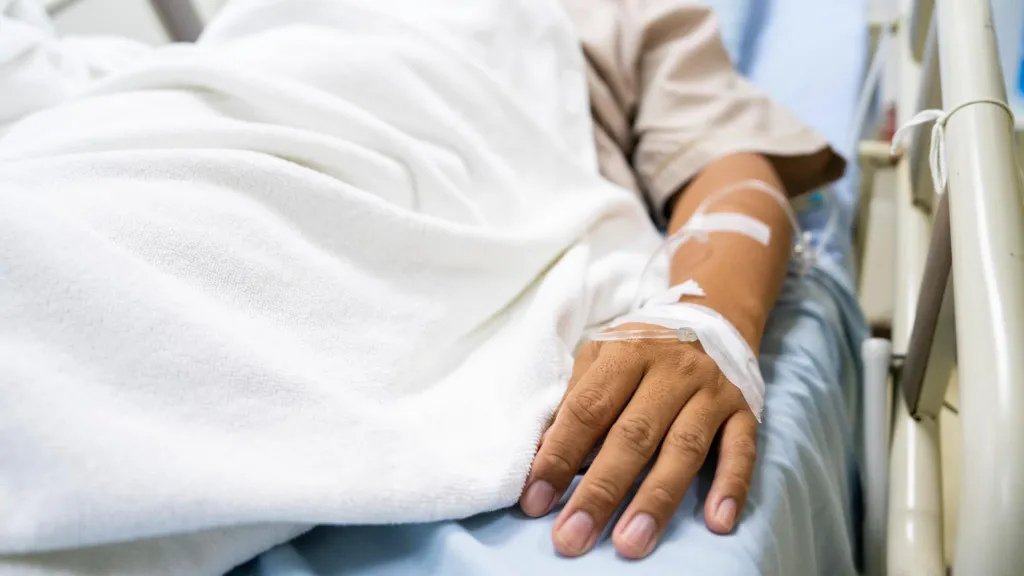
In a significant legal decision, the Supreme Court of India has permitted the withdrawal of life support for a 31-year-old man who has remained in a vegetative state for more than a decade. The ruling marks the first time a court in India has approved passive euthanasia in a specific case since the practice was legalized in 2018.
The case involves Harish Rana, who suffered severe brain injuries after falling from a fourth-floor balcony in 2013 while he was an engineering student at Punjab University. Since the accident, Rana has remained in a coma-like condition with no meaningful interaction or awareness. Medical reports indicate he experiences only sleep-wake cycles and relies completely on others for basic care.
For years, Rana’s parents have petitioned courts seeking permission to withdraw life-sustaining treatment, saying they had exhausted their financial resources caring for their son and feared for his future once they were no longer able to support him. His father, Ashok Rana, said the family welcomed the Supreme Court’s decision, calling it a compassionate ruling despite the emotional difficulty of the situation.
Indian law permits passive euthanasia — the withdrawal or withholding of life-sustaining treatment — under strict conditions, although active euthanasia remains illegal. In Rana’s case, the judges considered medical evidence showing that he had not responded to treatment and had little chance of recovery.
Doctors reported that Rana has permanent brain damage and depends on medical support for feeding and other bodily functions. He breathes through a tracheostomy tube and receives nutrition through a gastrostomy tube. According to his family, he is unable to speak, see, hear or recognize anyone.
The case also sparked broader discussion in India about the ethics of end-of-life decisions and the role of “living wills.” A living will allows individuals to document their wishes about medical treatment in case they develop a serious illness or condition with no hope of recovery. Rana had not created such a directive before his accident, leaving the courts to determine whether withdrawal of treatment would be appropriate.
Before approving the request, the Supreme Court required independent medical evaluations. Two medical boards examined Rana and concluded that the likelihood of recovery was extremely small and that he required constant external support.
Under India’s legal framework governing passive euthanasia, medical boards must confirm that the patient meets strict criteria before life support can be withdrawn. The court’s ruling now allows doctors to proceed using their clinical judgment regarding the withdrawal of treatment.
The decision is expected to influence future legal and ethical debates in India about end-of-life care, patients’ rights and the growing importance of advance medical directives such as living wills.