

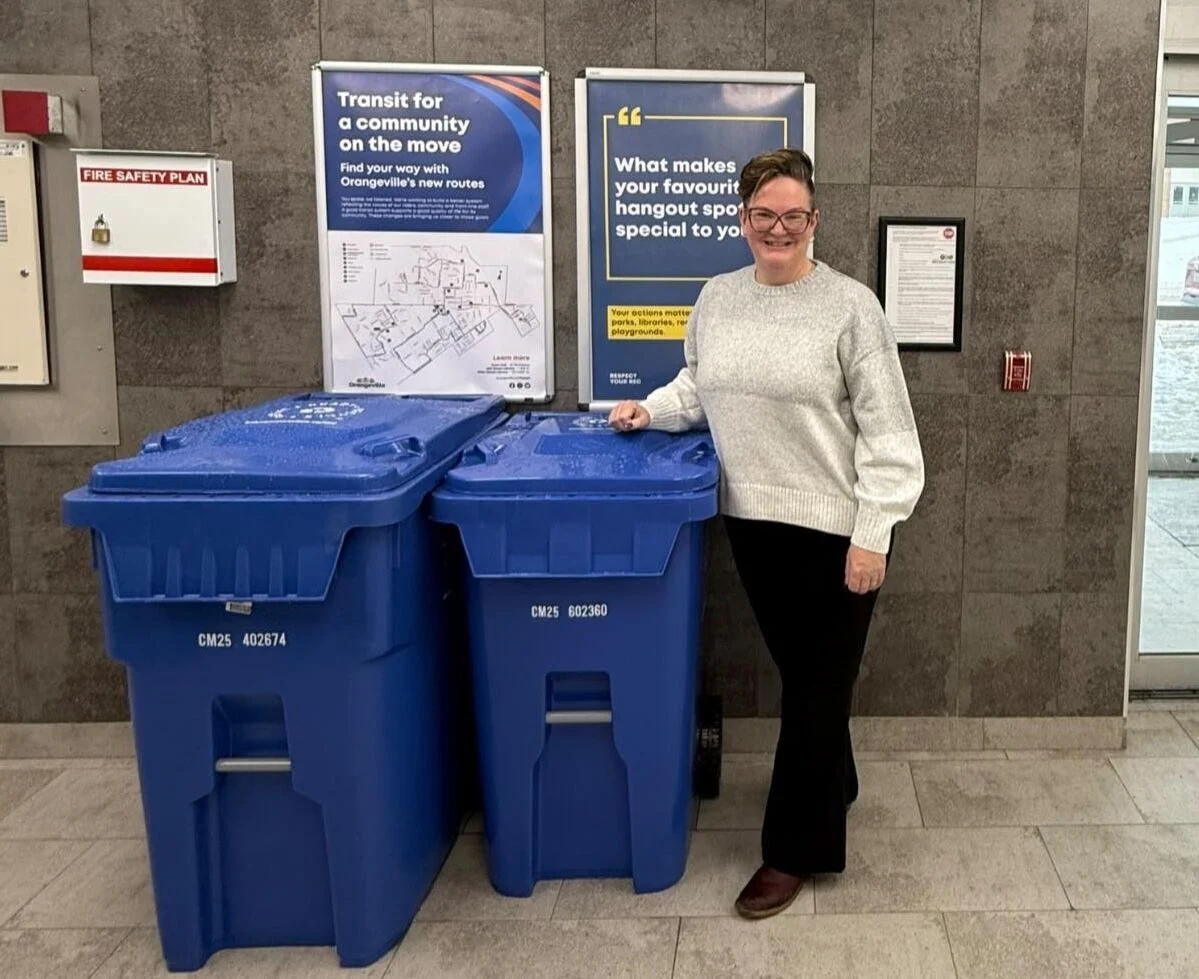
Ontario Premier Doug Ford is urging residents to remain patient as the province’s new residential recycling program experiences early challenges, including missed pickups and confusion over new wheeled bin sizes.
“There’s always little kinks and bumps in the road,” Ford said during a Jan. 8 news conference when asked about recycling issues reported during the first week of January. “They’ve reassured us that it’s going be 100 per cent. We’ll get through it.”
Early problems under new recycling system
As of Jan. 1, responsibility for residential recycling collection across Ontario shifted from municipalities to Circular Materials, which now administers the province’s producer-funded recycling program.
The transition has not been seamless. Circular Materials recently apologized for missed recycling pickups in several areas, including Toronto, where some material was left at the curb during post-holiday collections. The organization said it is working with collection contractors to clear all missed materials by the end of the week.
Confusion over larger wheeled bins
In some municipalities, traditional blue boxes have been replaced with large wheeled recycling carts — typically 360-litre containers — prompting concerns from residents about storage and handling.
Lisa Post, mayor of Orangeville, said she has heard from residents who wanted to see the carts before deciding which size to use. In Dufferin County, households were initially issued the larger 360-litre bins, but residents may instead choose a smaller 240-litre option.
Residents who want to switch to the smaller bin must submit a request to Circular Materials by Jan. 15. Requests can be made by visiting circularmaterials.ca and entering the community name under “Find your local recycling information” for instructions specific to each municipality.
How to request a free replacement bin
Circular Materials CEO Allen Langdon said additional recycling bins are available at no cost to residents across Ontario’s 395 participating communities.
In Toronto, residents needing a replacement bin can submit a request using the “Recycling Bin Request” form at circularmaterials.ca/toronto. Service providers will conduct a brief needs assessment before issuing a new bin.
Langdon emphasized that Ontario’s enhanced blue box program is fully funded by producers of paper and packaging products, not municipalities.
“By shifting financial responsibility to producers, the extended producer responsibility model enables municipalities to redirect their budgets to other local initiatives,” Langdon said. “Under this new system, Ontario municipalities are collectively saving over $200 million in costs.”
Expanded list of recyclable materials
Circular Materials has also expanded and standardized the list of items that can be recycled provincewide under the new system. Newly accepted materials include black plastic containers, hot and cold beverage cups, frozen juice containers, ice cream tubs, and toothpaste and deodorant tubes.
Accepted recyclables now include a wide range of paper products, cardboard, cartons, hard and flexible plastics, foam packaging, metal containers and glass jars and bottles, provided they do not carry toxic or flammable hazard symbols.
Despite early disruptions, the province and Circular Materials say the new system will ultimately deliver more consistent recycling services while reducing costs for municipalities — once initial challenges are resolved.