

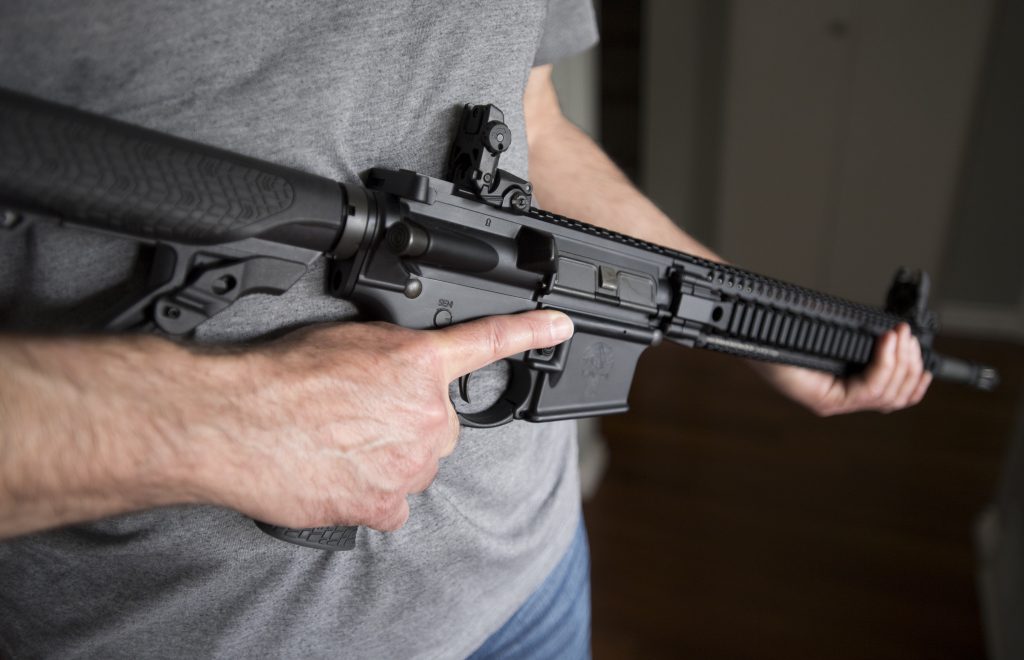
OTTAWA — The federal government has confirmed that 25 prohibited firearms were collected and destroyed during a six-week pilot phase of its national gun buyback program conducted in Nova Scotia last fall.
According to a “lessons learned” review released by Public Safety Canada, the pilot project provided important insights into how the program can be improved ahead of its nationwide launch, which is expected in the coming weeks.
The federal buyback program stems from the May 2020 prohibition of approximately 2,500 models and variants of firearms, including the AR-15, which the government has stated are designed for military use and do not belong in civilian settings.
Officials acknowledged that participation in the pilot was limited, noting that firearm owners faced tight timelines and unclear instructions. As a result, several improvements have already been implemented, including clearer registration guidance, enhanced online portal functionality, simplified access to compensation information, and the creation of a tutorial video to guide participants through the process.
The government said the national rollout will feature a significantly longer declaration period, improved communications, and more consistent, up-to-date information to help ensure firearm owners understand how to participate and comply with legal requirements.
Ottawa has allocated more than $700 million for the full buyback program and says eligible firearm owners will receive fair compensation for surrendered prohibited weapons.
In a related announcement, the federal government also confirmed it will provide up to $12.4 million to support Quebec’s costs in coordinating the buyback program within the province. Quebec officials have welcomed the funding, describing the initiative as an important step toward improving public safety.
The federal government maintains that the buyback program is a key component of its broader efforts to reduce gun violence and enhance community safety across Canada.