

The Carbon Tax Is (Nearly) Dead: Now What?
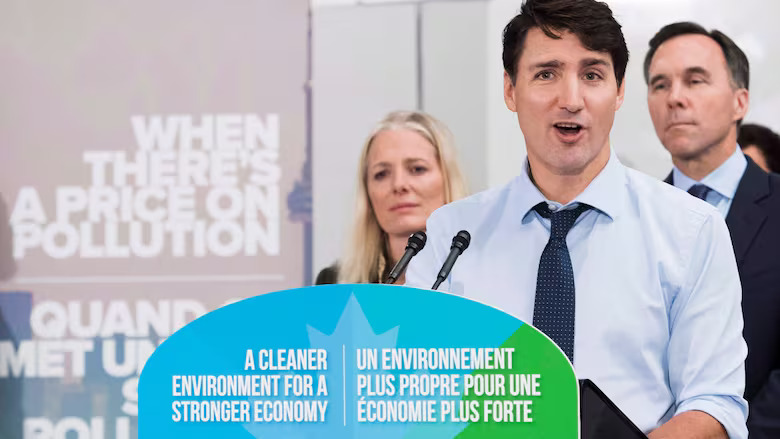
As the federal carbon tax faces its potential demise, Canada’s challenge of combating climate change remains as urgent as ever. Once the hallmark of Prime Minister Justin Trudeau’s climate strategy, the consumer carbon tax now teeters on the edge of political extinction, leaving questions about the future of Canada’s environmental policies.
It’s easy to forget that as recently as 2021, every major federal party included a carbon tax in their platforms. Even Pierre Poilievre, the current Conservative leader and staunch opponent of the tax, was elected under a platform that endorsed carbon pricing as the “most efficient way to reduce emissions.”
So what changed? Trudeau’s decision to exempt home-heating oil in 2023 weakened the policy’s universality, and rising inflation further stoked public discontent. Meanwhile, shifts in political leadership brought new skepticism. Erin O’Toole, who supported the tax, was ousted, and his successor, Poilievre, declared a “carbon tax election” with his promise to “axe the tax.”
Adding to the uncertainty, leading contenders to replace Trudeau as Liberal leader—Mark Carney and Chrystia Freeland—have both distanced themselves from the policy. Three weeks into 2025, it appears likely that no major federal party will campaign on preserving the carbon tax in its current form.
The federal carbon pricing system, introduced in 2019, comprises two components: a consumer fuel levy and a trading system for large industrial emitters. While much of the political debate has centered on the fuel levy, it is the industrial system that holds the most potential for emissions reductions—accounting for up to 48% of projected cuts by 2030, according to the Canadian Climate Institute.
Poilievre has so far refrained from targeting the industrial pricing system, likely to avoid accusations of favoring “big polluters.” Additionally, the system could play a pivotal role in Canada’s economic strategy, particularly as other countries adopt carbon border adjustments to penalize imports from nations with weaker climate policies.
While the potential repeal of the carbon tax marks a setback for Trudeau’s climate agenda, the fundamental challenge remains: reducing greenhouse gas emissions. Transportation, which accounts for 22% of Canada’s total emissions, highlights the complexity of balancing political feasibility with climate urgency.
Mark Carney has signaled a shift in focus toward industrial emissions, emphasizing measures that both cut emissions and enhance Canada’s economic competitiveness. “The vast majority of our emissions come from industry,” Carney said. “Cleaning that up is a priority.”
However, scrapping the consumer carbon tax could create a significant policy gap. The fuel levy was projected to reduce emissions by 8-14% by 2030. Natural Resources Minister Jonathan Wilkinson recently asked a crucial question: “How will anyone who scraps the levy fill the gap?”
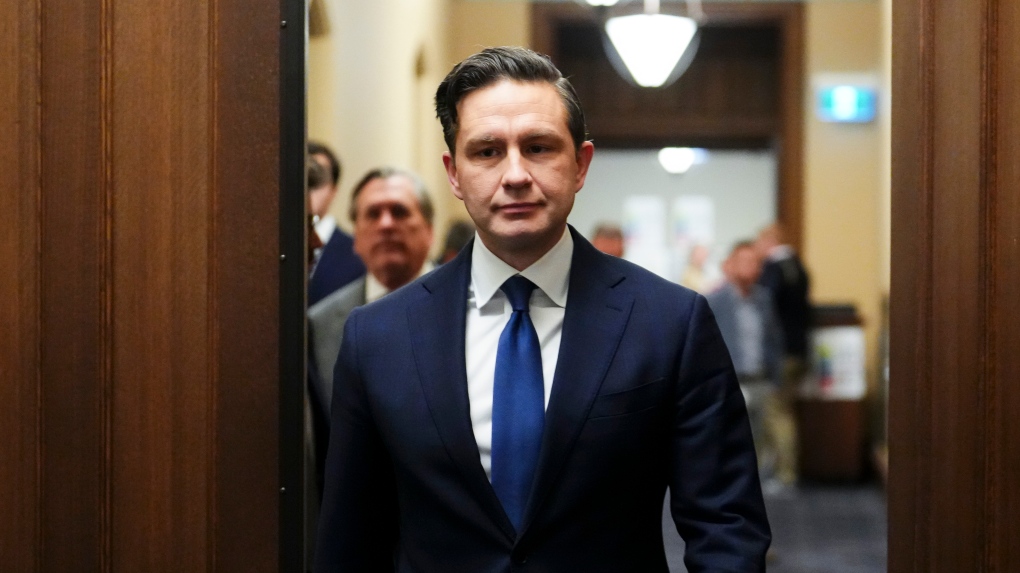
While Poilievre frames the next federal election as a referendum on the carbon tax, the broader stakes are clear. Climate change’s impacts are growing, and Canada faces mounting pressure to meet international emissions targets.
“Part of the reason Toronto is such a high-cost jurisdiction is because of the congestion,” noted Matthias Sweet, an expert in congestion management. Similarly, Canada’s failure to implement effective climate policies could lead to higher economic costs and diminished competitiveness.
The Way Forward
The carbon tax’s legacy may ultimately rest on its ability to raise the bar for climate policy in Canada. Even if it doesn’t survive, it has forced politicians to grapple with emissions reductions more seriously.
As Carney noted, “If you’re going to take out the carbon tax, you should replace it with something that is at least as effective.” Whether through industrial pricing, regulatory measures, or market-driven solutions, Canada’s climate strategy must evolve to address the persistent threat of climate change.
The carbon tax may be fading, but the need for decisive climate action has never been more urgent. For Canada’s next generation of leaders, the real challenge lies not in debating the merits of a single policy but in crafting a comprehensive and sustainable path forward.