

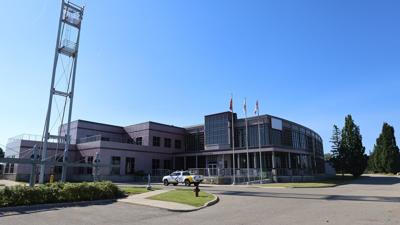
BRAMPTON — The City of Brampton may have found a potential path forward for its mothballed automated speed enforcement facility, as officials explore converting the site into a processing centre for red-light camera tickets.
The city purchased the building at 175 Sandalwood Parkway West for nearly $78 million in 2023, with the primary goal of housing a centralized ticket processing operation tied to photo radar enforcement. At the time, the initiative was expected to evolve into a significant revenue generator, supporting both local enforcement and potential contracts with other municipalities across Ontario.
Those plans were abruptly halted after the Government of Ontario, led by Doug Ford, introduced and finalized a province-wide ban on automated speed enforcement cameras late last year. The decision left Brampton, one of the largest adopters of the technology with more than 180 cameras deployed, facing millions in sunk costs and an unused processing centre.
In response, city officials began exploring alternative uses for both the cameras and the facility, including converting some of the equipment into red-light enforcement systems. That approach is now gaining momentum, with discussions underway to also repurpose the processing centre to handle red-light camera offences.
The Region of Peel, which currently operates 37 red-light cameras across Mississauga, Brampton and Caledon, has expressed interest in the idea. At present, Peel contracts its ticket processing services to the City of Toronto, but regional council has directed staff to explore shifting operations to Brampton’s facility as early as 2027.
City officials have indicated readiness to provide processing services at competitive rates, potentially matching or lowering current costs. In 2025, Peel paid approximately $160,000 to the City of Toronto for these services, with expenses shared among participating municipalities based on the number of cameras in operation.
Despite the interest, several uncertainties remain. Existing contracts with Toronto and private service providers will continue through at least the end of 2026, while pending provincial legislation could affect how red-light camera programs are managed in the future. Officials note that further discussions will be required to address legal, financial and operational considerations before any final agreement is reached.
The proposed shift represents a strategic attempt by Brampton to recover value from a major capital investment that was sidelined by policy changes. If approved, the move could not only revive the unused facility but also position the city as a regional hub for traffic enforcement processing in the years ahead.