

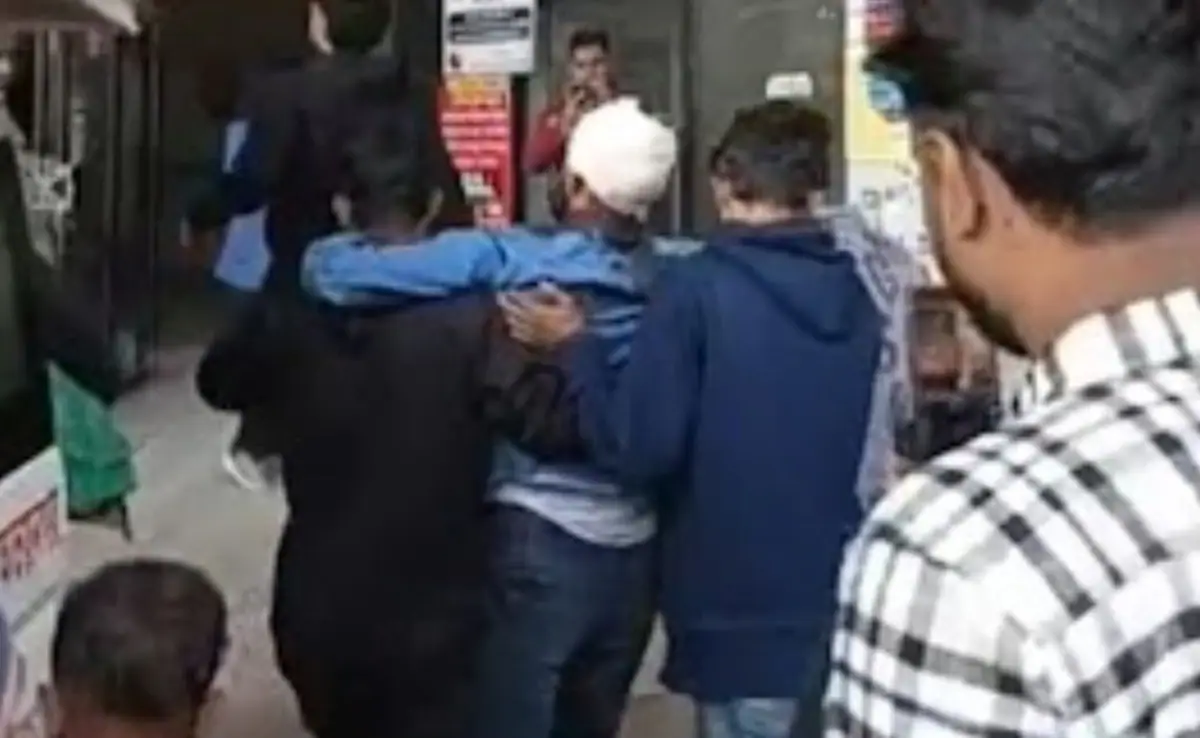
KHULNA, Bangladesh — Political tensions in Bangladesh took another violent turn on Monday when unknown gunmen shot a senior leader of the student-led National Citizen Party (NCP) in the head, as the country braces for national elections early next year.
Muhammad Motaleb Sikdar, a central organiser of the NCP’s labour wing, Jatiya Sramik Shakti, was critically wounded in the attack in Khulna’s Sonadanga area around 11:45 a.m., according to Bangladeshi media reports. Sikdar was inside a house when assailants opened fire, striking him on the left side of his head.
Saif Nawaz, an organiser of the party’s Khulna metropolitan unit, said Sikdar also serves as the divisional convener of the labour wing and was actively preparing for a divisional labour rally scheduled to take place in the city in the coming days.
Police confirmed the incident, saying Sikdar was rushed to Khulna Medical College Hospital before being transferred to a private diagnostic centre for a CT scan. “He is undergoing treatment and an investigation is underway to identify those responsible,” said Animesh Mandal, inspector of investigations at Sonadanga Police Station.
The shooting comes amid a surge in political violence following the killing of radical leader Usman Hadi earlier this month. Hadi, a polarising figure known for his strong anti-India rhetoric and a prominent voice during the 2024 student uprising that led to the ouster of former prime minister Sheikh Hasina, was shot by masked attackers in Dhaka on Dec. 12. After being airlifted to Singapore for treatment, he died on Dec. 18.
His death sparked violent protests across the country last week, deepening fears of instability as Bangladesh heads toward elections scheduled for February 2026.
Authorities say tensions have continued to rise, with reports of clashes, arson and attacks on minority communities, particularly Hindus, in several parts of the country. The interim administration led by Nobel laureate Muhammad Yunus, who is seen as having close ties with the NCP, has been navigating growing unrest while pushing for a shift in foreign policy that critics say distances Bangladesh from India and seeks closer engagement with Pakistan.
The NCP itself emerged from last year’s student-led protests and has since drawn attention for fiery rhetoric. Some of its leaders have made provocative statements, including threats to shelter forces hostile to India. Following Hadi’s killing, one NCP leader claimed Dhaka would help sever India’s northeastern “seven sisters” states — remarks that drew sharp reactions in New Delhi.
India has rejected such allegations, with its Ministry of External Affairs urging Bangladesh’s interim government to ensure law and order and create conditions for peaceful and credible elections.
With Sikdar now fighting for his life and no arrests announced so far, Monday’s shooting has heightened fears that Bangladesh’s volatile political climate is sliding further into violence, raising serious concerns about security and stability in the run-up to the polls.