

“From Auto Parts to Kale Chips: The Tariff Ripple Effect in the GTA
From tiny auto parts to food products and everyday chemicals, a wide array of Canadian goods could face significant disruption if U.S. president-elect Donald Trump implements his proposed 25 per cent tariff on Canadian imports. The move, set to take effect next week, has sparked concern across industries in the Greater Toronto Area (GTA).
Ultra-Form Manufacturing, a small auto parts producer in Etobicoke, has been in business for 50 years. Specializing in aluminum parts that eventually make their way into cooling systems for vehicles, the company’s products are vital to supply chains involving major automakers such as GM, Ford, and Stellantis.
“It will be bad for us,” said Kacee Vasudeva, owner of Ultra-Form Manufacturing. He explained that while the tariffs would harm local manufacturers, the deeply interconnected nature of the industry might limit long-term impact.
“We are so intertwined. Even if Mr. Trump does whatever he does, he can’t unwind it,” Vasudeva said.
In 2023, automotive parts ranked as Canada’s third-largest export to the U.S., totaling nearly $23 billion—behind only crude oil and passenger cars.
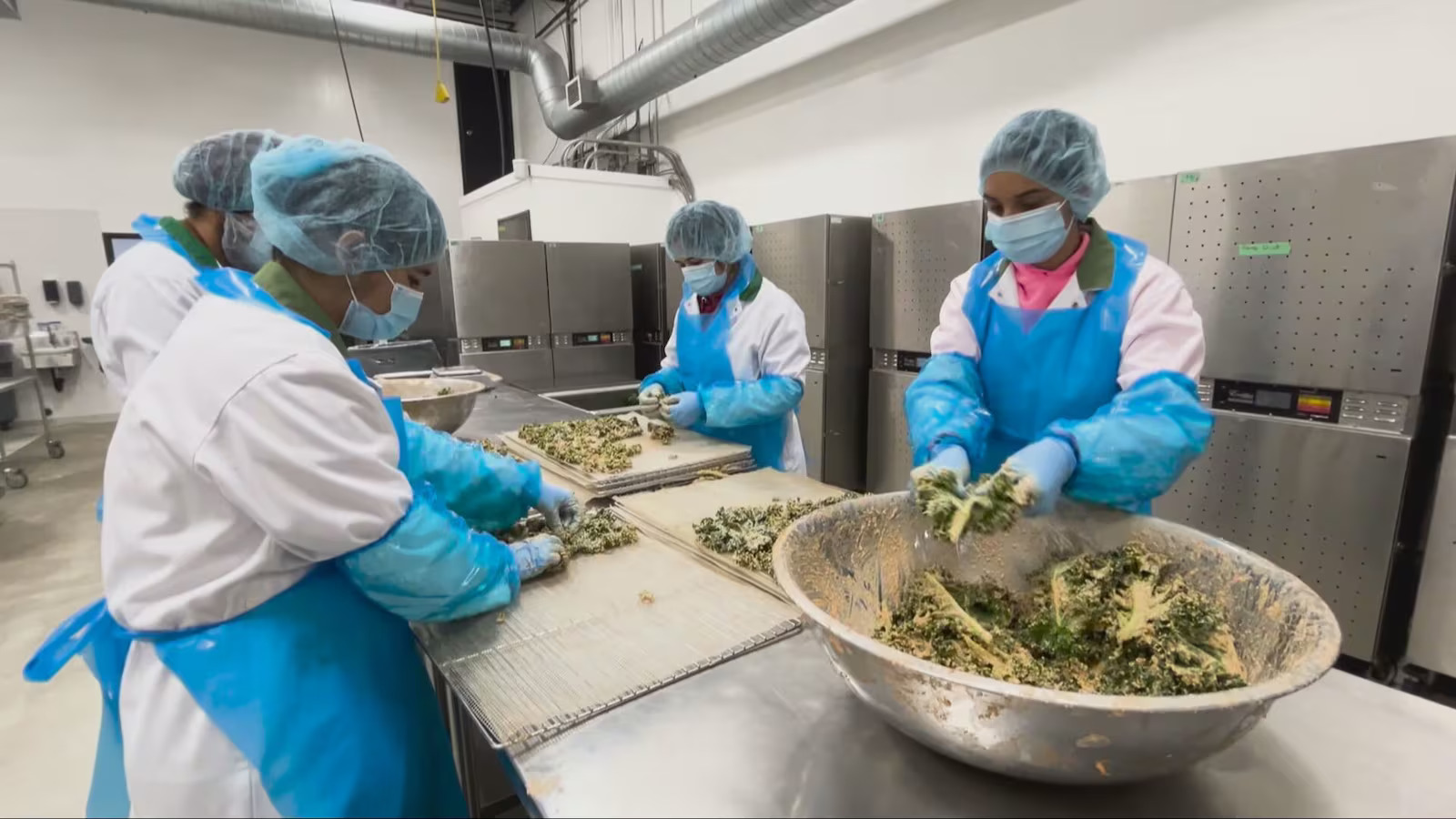
Over in Mississauga, Healthy Crunch, a Canadian food company known for its kale chips and other snacks, is also feeling the heat. Founded by registered dietitian and chef Julie Bednarski, the company has grown significantly in the past decade, earning $10 million in sales last year and preparing for a major U.S. expansion.
“It’s going to make our products more expensive,” Bednarski said, referring to the proposed tariffs. Healthy Crunch’s deals with major U.S. retailers like Whole Foods, Walmart, and Target had sales projections set to double in 2025. However, Bednarski now worries that increased prices could deter American consumers.
“If we’re going to have an extra 25 per cent or even higher tariff on our products, it’s dramatically going to change the price, and consumers might not purchase our products in the U.S.,” she added.
Intermediate food producers like Healthy Crunch represent Canada’s ninth-largest export category to the U.S., with sales nearing $12 billion in 2023. The proposed tariffs threaten to create an uneven playing field, leaving companies like Healthy Crunch in a precarious position.
In Brampton, Zochem—a leading producer of zinc oxide—illustrates another dimension of the tariff’s potential impact. Zinc oxide, a versatile compound used in everything from tires and fertilizer to sunscreen and diaper rash cream, is an integral part of everyday life.
“Zinc oxide is ubiquitous,” explained Mohit Sharma, President and CEO of Zochem. The company, headquartered in Tennessee, operates its largest production facility in Brampton, shipping over $100 million worth of goods to the U.S. annually.
“A 25 per cent tariff would be a solid punch in the face for sure,” Sharma said. With 80 per cent of Zochem’s products destined for the U.S., Sharma expressed concern about the potential fallout. “The tariff would ultimately be passed on to the customer, but it would disrupt our operations significantly.”
As businesses across the GTA brace for the uncertainty ahead, one thing is clear: the proposed tariffs could have far-reaching consequences for industries that rely on cross-border trade. From auto parts to food production and chemical manufacturing, the economic interconnectedness of Canada and the U.S. underscores the complexity of such policy decisions.
Whether the proposed tariffs will become a long-term reality remains to be seen, but for now, GTA businesses are preparing for what could be a turbulent road ahead.
Courtesy : CTV News