

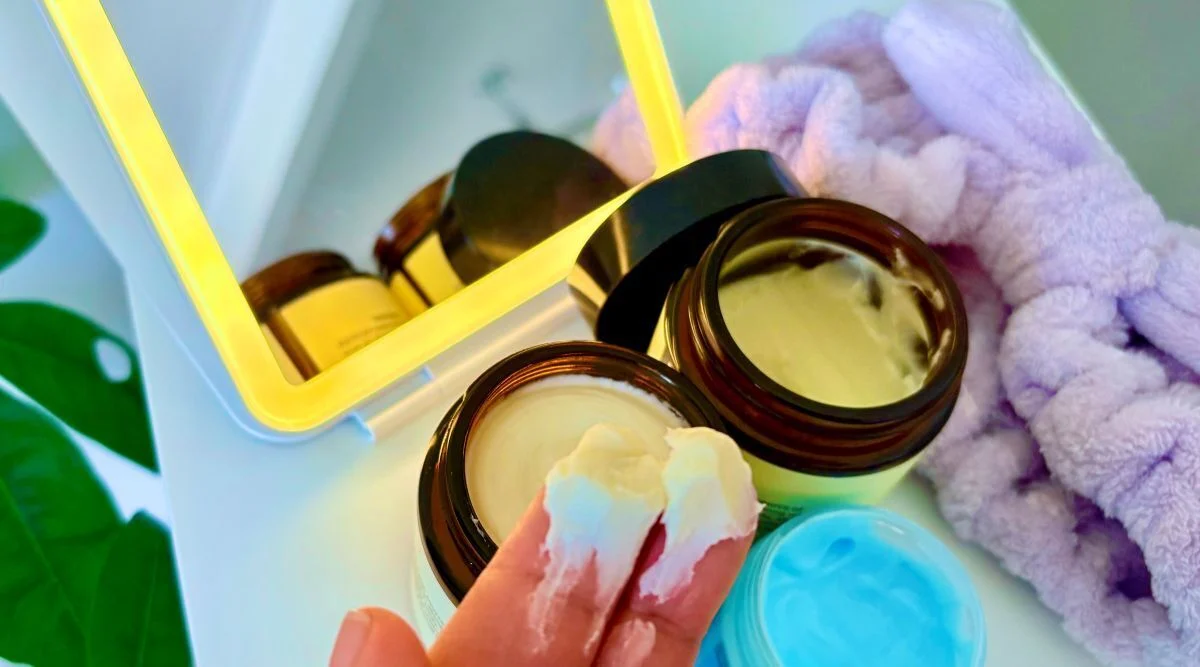
A growing social media trend encouraging people to apply beef fat to their faces in pursuit of smoother, younger-looking skin is drawing concern from medical experts, with one leading Ontario dermatologist warning that the practice may do more harm than good.
The trend, known as “beef tallow skincare,” has exploded across TikTok, Instagram, and other social media platforms, where influencers promote rendered animal fat as a natural remedy for acne, eczema, psoriasis, dry skin, and even signs of aging. Supporters claim beef tallow is a healthier alternative to commercial skincare products and have gone so far as to label it “nature’s Botox.”
The popularity of the trend has fueled a growing market across Ontario and Canada, with retailers selling beef tallow-based face creams, moisturizers, soaps, and lip balms. Some enthusiasts are even producing homemade versions by purchasing beef fat from local butchers and rendering it in their kitchens.
However, Dr. Geeta Yadav, a board-certified dermatologist and founder of FACET Dermatology in Toronto, says many of the claims circulating online are not supported by scientific evidence.
According to Dr. Yadav, beef tallow functions primarily as a basic occlusive moisturizer, meaning it creates a barrier on the skin that helps reduce moisture loss. While this can temporarily improve hydration and make skin feel softer, she says there is no clinical evidence demonstrating that beef tallow performs better than modern, professionally formulated moisturizers.
“It’s not doing nothing, but it’s not doing anything extraordinary either,” she explained, noting that many consumers are being misled into believing the product offers unique skin-rejuvenating benefits.
The dermatologist is particularly concerned about the impact of beef tallow on individuals who suffer from acne or sensitive skin. Beef tallow contains significant amounts of oleic acid and palmitic acid, compounds that can interfere with the skin’s natural barrier and potentially trigger inflammation. Over time, this may worsen acne breakouts and aggravate existing skin conditions rather than improve them.
Claims that beef tallow serves as a natural alternative to retinol have also been dismissed by experts. While animal fat contains trace amounts of vitamin A, Dr. Yadav points out that retinol is primarily stored in an animal’s liver, not in the fat used to make tallow. Furthermore, prescription retinoids and cosmetic retinol products are specifically engineered to penetrate the skin and stimulate collagen production, improve cell turnover, and reduce visible signs of aging.
“There is simply no evidence that rubbing beef fat on your face can replicate the proven effects of retinoids,” she said.
Perhaps the greatest concern involves the growing popularity of preservative-free and homemade beef tallow products. Many social media influencers market preservative-free skincare as a healthier and more natural option. Dr. Yadav argues that the absence of preservatives can actually create significant safety risks.
Animal fat is organic material, and without preservatives to inhibit bacterial and fungal growth, products can become contaminated once users repeatedly dip their fingers into jars, particularly in warm and humid bathroom environments. Harmful microorganisms, including staphylococcus and pseudomonas bacteria, can potentially develop under these conditions.
The risks are even higher with homemade preparations, where there is no quality control, contaminant screening, or assurance that the rendering process reached temperatures sufficient to eliminate harmful bacteria.
Dr. Yadav warns that homemade tallow products bypass virtually every safeguard built into modern cosmetic manufacturing, including stability testing, microbial testing, and ingredient quality controls. While many consumers are attracted to the simplicity of natural skincare, she cautions that “natural” does not automatically mean safe or effective.
The viral trend reflects a broader movement toward natural and DIY beauty products, but dermatologists continue to urge consumers to approach such claims with caution. Experts recommend relying on evidence-based skincare products that have undergone scientific testing and regulatory oversight rather than social media trends driven largely by anecdotal success stories.
As beef tallow skincare continues gaining popularity online, medical professionals are reminding consumers that healthy skin depends less on viral fads and more on proven ingredients, proper hygiene, sun protection, and individualized skincare routines based on a person’s specific skin type and concerns.