

Medical experts across Canada are raising concerns over a growing number of younger Canadians being diagnosed with heart failure, a condition once seen primarily among older adults.
According to the Canadian Heart Failure Society and the Canadian Cardiovascular Society, heart failure is now one of the fastest-growing cardiovascular diseases in the country, with increasing cases being reported among people in their 20s, 30s and 40s.
Research published in the Canadian Journal of Cardiology found hospitalizations linked to heart failure rose significantly among adults aged 20 to 39 between 2007 and 2016. Additional data from Heart and Stroke Foundation showed more than 5,000 Canadians between the ages of 40 and 49 were newly diagnosed with heart failure in 2023-24 alone.
Doctors say many younger patients are unaware they may be at risk because symptoms are often mistaken for asthma, stress, allergies or poor fitness.
Dr. Margot Davis, a cardiologist from Vancouver and president of the Canadian Heart Failure Society, said clinics are seeing more young adults arriving with advanced disease after months or years of overlooked warning signs.
She explained that risk factors once associated mainly with older adults — including obesity, diabetes, high blood pressure and coronary artery disease — are increasingly affecting younger populations, creating what she described as a “perfect storm” for earlier heart failure diagnoses.
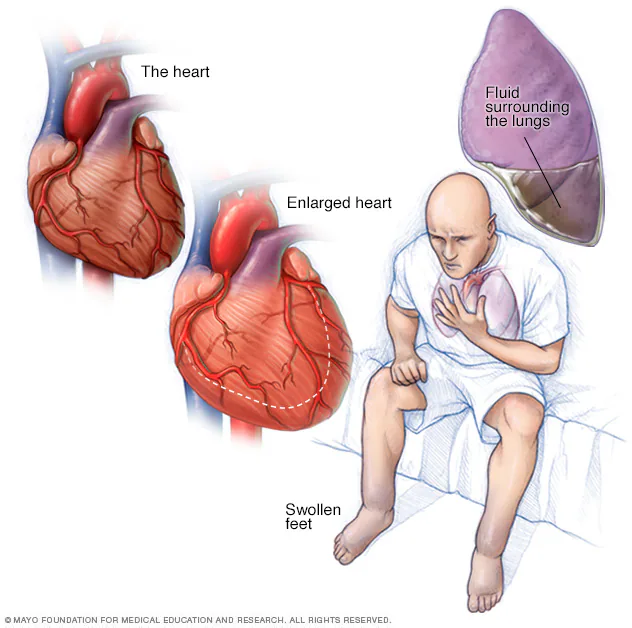
One such patient is Jenny Milne of Chilliwack, who was diagnosed with heart failure at just 23 years old after months of unexplained illness. Initially believing she had asthma or gall bladder issues, Milne experienced severe exhaustion, breathing difficulties and swelling before doctors discovered her enlarged heart and blood clots.
Further medical testing later revealed a rare condition known as endomyocardial fibrosis, and she was eventually told she needed a heart and lung transplant. After undergoing mitral valve replacement surgery, her condition improved significantly and her heart failure entered remission.
Milne now works with the HeartLife Foundation to support others living with heart disease and says early diagnosis played a critical role in her survival.
Cardiologists say awareness remains one of the biggest challenges because younger patients — and sometimes even health-care providers — do not immediately suspect heart failure when symptoms such as breathlessness and fatigue appear.
Doctors are urging Canadians not to ignore persistent shortness of breath, swelling, exhaustion or unexplained physical decline, regardless of age, stressing that early diagnosis and treatment can dramatically improve outcomes.
Health organizations across Canada are using National Heart Failure Awareness Week to encourage greater public education, earlier screening and stronger recognition of cardiovascular risk factors among younger adults.