

U.S. President Donald Trump has sharply criticized NATO for failing to support Washington’s military campaign against Iran, raising fresh concerns about tensions within the Western alliance.
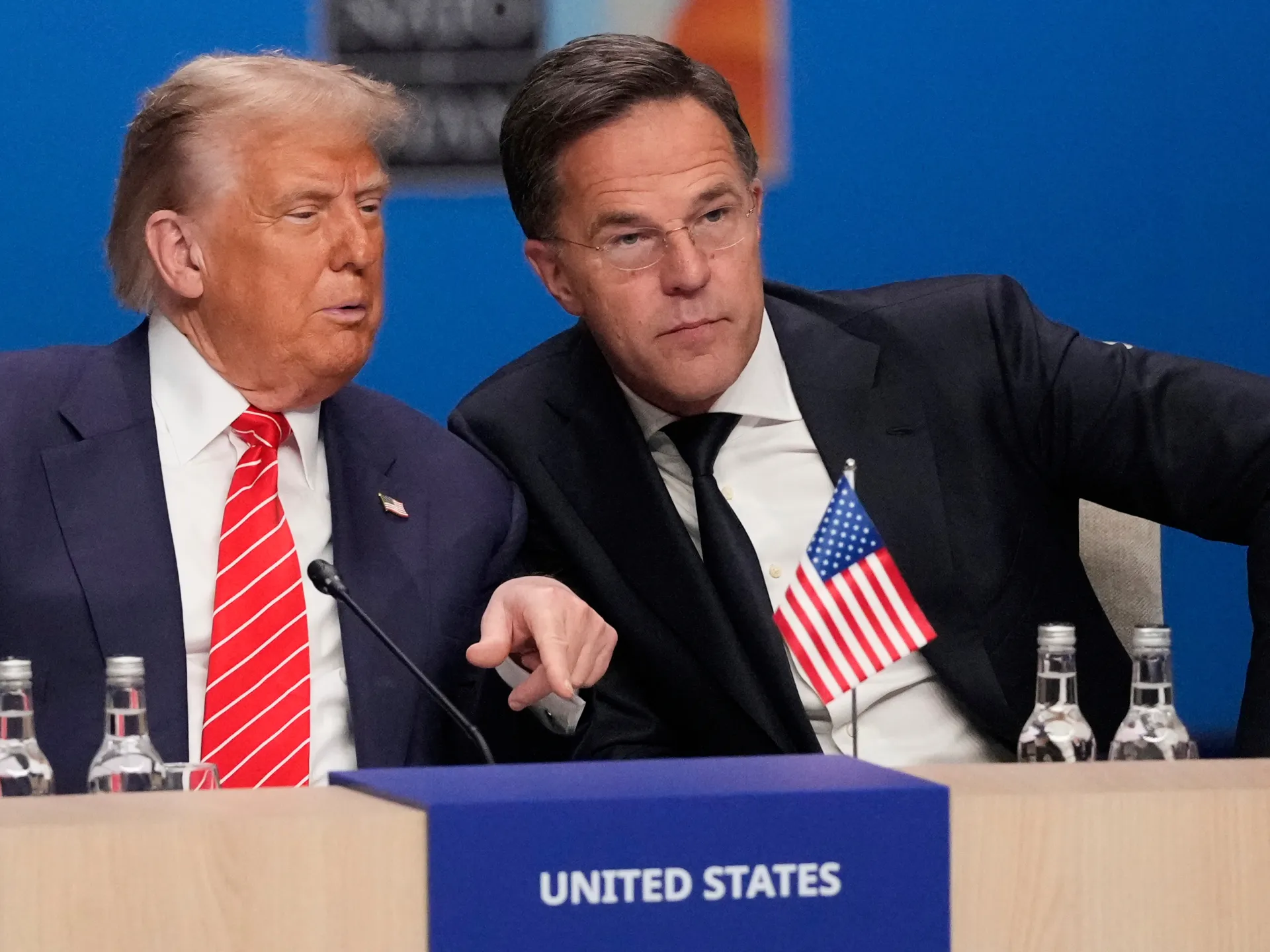
Following a two-hour meeting at the White House with NATO Secretary-General Mark Rutte, Trump accused member countries of not standing by the United States during a critical moment.
“NATO wasn’t there when we needed them,” Trump said, expressing frustration that several allies declined to provide military assistance or open their airspace during operations tied to the Iran conflict.
The remarks come just days after the United States and Iran reached a fragile ceasefire, easing fears of a wider regional escalation. However, Trump’s comments have reignited debate over the future of NATO and Washington’s long-term commitment to the alliance.
Alliance tensions exposed
At the centre of the dispute is the limited support from some NATO members during the conflict. Reports indicate that certain countries declined to send naval forces or facilitate operations aimed at reopening the strategically vital Strait of Hormuz.
Trump has long criticized NATO allies for relying too heavily on U.S. defence spending, and his latest comments suggest growing impatience with what he views as unequal burden-sharing.
Despite the criticism, Rutte described the discussions as “frank and open,” acknowledging Trump’s disappointment while defending the role of European allies.
He noted that many countries had provided logistical and operational support, including basing access and overflight permissions, enabling U.S. actions in the region.
Greenland comments resurface
Adding to the controversy, Trump also revived his past suggestion of acquiring Greenland — a territory of Denmark, a NATO member — referring to it in a social media post shortly after the meeting.
The remark stirred renewed concern among allies, recalling earlier tensions over the idea, which had previously been dismissed by European leaders.
Uncertainty over NATO’s future role
While Trump stopped short of announcing any formal policy shift, his rhetoric has intensified speculation about potential changes to U.S. military positioning in Europe, including reports of troop relocations from countries deemed uncooperative.
NATO, established in 1949 as a collective defence alliance, remains a cornerstone of Western security. However, the recent dispute highlights growing divisions over how — and whether — the alliance should respond to conflicts beyond its traditional geographic scope.
As diplomatic efforts continue in the Middle East, Trump’s stance underscores broader questions about alliance unity, global security responsibilities, and the evolving role of NATO in a shifting geopolitical landscape.