

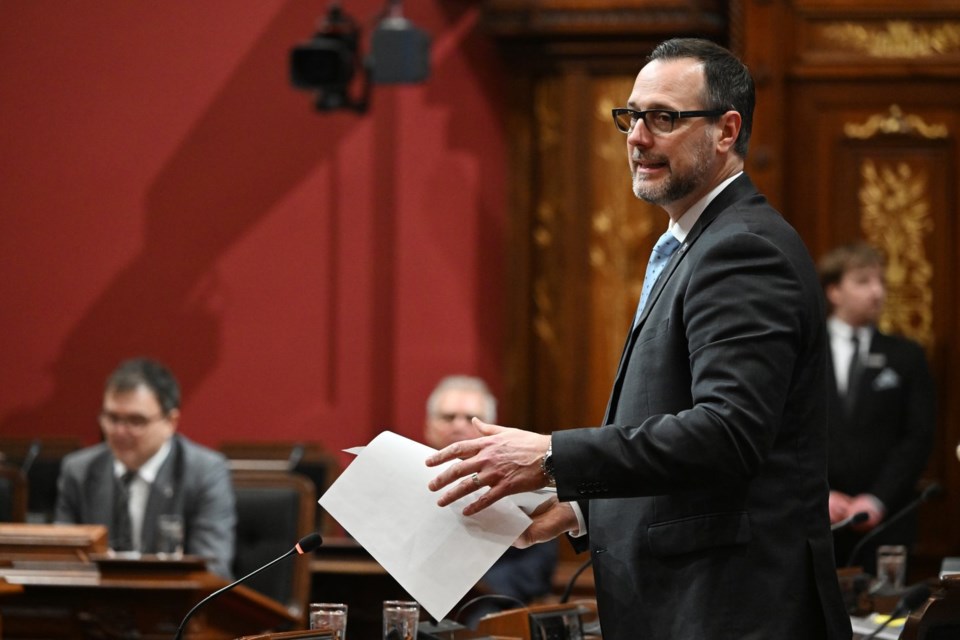
The Quebec government is preparing to extend its secularism laws by banning daycare workers from wearing religious symbols, in what officials describe as a necessary step to maintain neutrality in spaces that serve young children.
Secularism Minister Jean-François Roberge announced Thursday that new legislation will prohibit employees in government-subsidized daycares from wearing visible religious symbols such as hijabs, turbans, or kippahs. He said the decision is rooted in the belief that daycares, like schools, should offer children a neutral environment free from religious influence. “I think it’s important to provide a neutral environment for students,” Roberge told reporters in Quebec City. “We know that Quebecers are behind us on this.”
Roberge said the policy follows a “broad consensus” across the province and fulfills a key recommendation from a 300-page advisory report released earlier this year, which included 50 suggestions aimed at strengthening secularism in Quebec’s public institutions.
The move builds on the province’s controversial 2019 secularism law, Bill 21, which banned public sector employees in positions of authority — including teachers, judges, and police officers — from wearing religious symbols while at work. Roberge said the new measure would extend the same principle to daycare staff and is consistent with the “spirit of Bill 21.” He added that current employees in daycares will be protected by a grandfather clause, meaning the rule will only apply to new hires.
Bill 21 remains at the centre of a major constitutional battle now before the Supreme Court of Canada, where judges will examine whether Quebec’s use of the notwithstanding clause to shield the legislation from charter challenges violates fundamental freedoms. Roberge declined to say whether the province will invoke the clause again to protect the new daycare law.
The Quebec government has already introduced legislation to expand the religious symbols ban to all public school staff, and Roberge has also announced plans to outlaw prayer in public institutions. Last month, members of his Coalition Avenir Québec party passed a proposal to prohibit face coverings in public spaces at all times, though Roberge said discussions on that measure are still ongoing.
“Our government’s direction is clear,” Roberge said. “We want to ensure public institutions reflect the secular character of Quebec.”
The announcement is expected to intensify debate over religious freedoms and secular identity in the province, which remains divided over where to draw the line between neutrality and individual rights.