

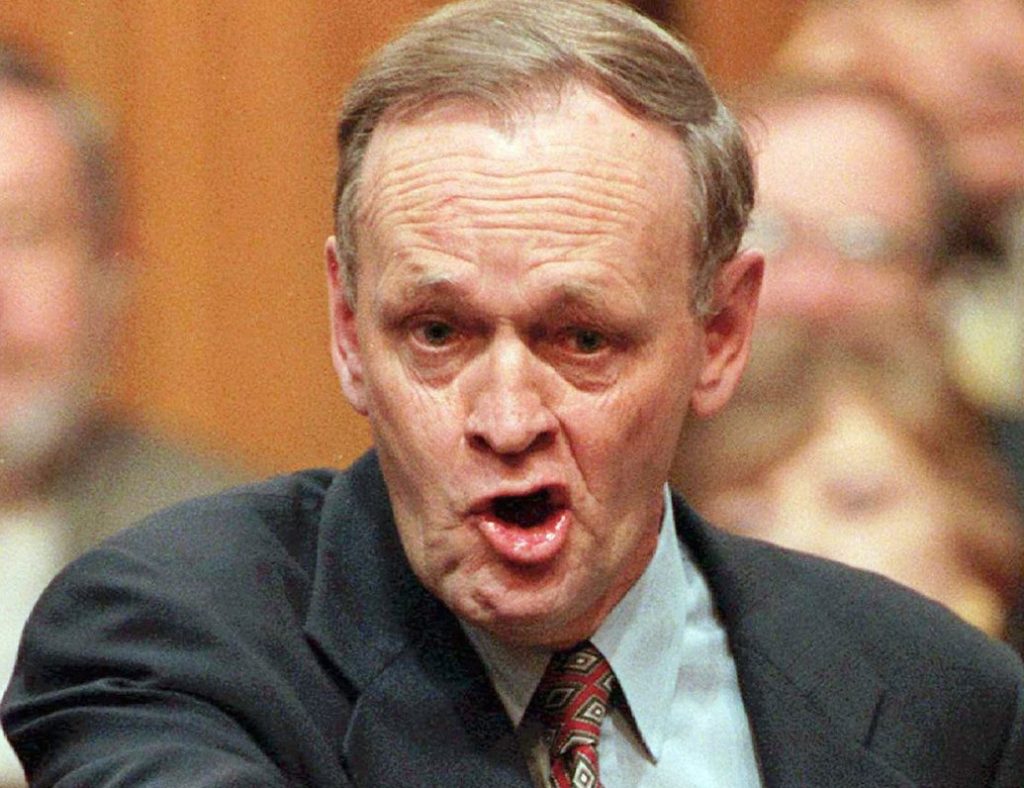
Six days before the historic 1995 Quebec referendum that nearly split the country, Prime Minister Jean Chrétien told his ministers to “stay calm and avoid panic” as Canada faced a defining moment. Newly released federal cabinet minutes offer a rare glimpse behind closed doors, showing how the tone inside government shifted from quiet confidence to urgency as the “Yes” side surged in the final weeks of the campaign.
On October 24, 1995, Chrétien gathered his cabinet and acknowledged the real possibility that Quebecers could vote to separate. He instructed ministers not to act “precipitously” if the “Yes” side won, stressing the importance of composure in the face of potential national upheaval.
The sombre meeting came after weeks of changing political winds. Earlier in the year, Chrétien had questioned whether a referendum would happen at all, as divisions among separatist leaders and public opinion gave federalists a comfortable lead. By the summer, however, the separatist movement had unified. Quebec Premier Jacques Parizeau, Bloc Québécois leader Lucien Bouchard, and Mario Dumont of Action démocratique du Québec struck a deal to include an offer of a new “economic and political partnership” with Canada on the ballot — a move Chrétien saw as “a tactic to confuse Quebecers.”
Cabinet records show that Chrétien had stayed largely on the sidelines of the campaign early on, letting Quebec Liberal leader Daniel Johnson lead the “No” side. Chrétien, not popular in Quebec at the time, was “pretty well told to butt out,” former deputy prime minister Sheila Copps recalled.
But as polls tightened dramatically in mid-October, Chrétien’s role changed. Bouchard — who had survived a life-threatening illness and was viewed by many as a near-miraculous figure — electrified the separatist campaign when Parizeau named him “chief negotiator” for future talks. Within days, the “Yes” camp was leading in the polls.
On October 24, Chrétien told ministers he would step to the forefront and deliver a televised address to the nation. Several ministers outside Quebec had expressed frustration at being “on the sidelines” of a debate that could “profoundly affect the future of their country.” They urged the prime minister to speak “from the heart.”
Chrétien’s intervention helped give emotional weight to a federalist campaign that many insiders admitted had been too dry and technocratic. “There was no appeal to patriotism,” said Eddie Goldenberg, Chrétien’s senior policy adviser at the time. “And in hindsight, we made a mistake there. But you know, at the end of the day, we won.”
The referendum on October 30, 1995, came down to the wire: the “No” side prevailed with 50.58 per cent of the vote — a razor-thin margin that kept Canada intact. The next day, Chrétien told his ministers to project confidence and positivity in public, framing the result as a victory for national unity.
Many “Yes” campaigners, including former Parti Québécois minister Louise Harel, later argued that one more week might have led to a separatist win. Federal insiders credit Chrétien’s late decision to step forward as critical to the outcome. “Had he not stepped in… I think we would have lost the country,” Copps said.
The newly disclosed cabinet minutes, released under federal access to information legislation, offer a rare, unfiltered look at how Chrétien’s government navigated a moment of near-separation. They show a prime minister who, despite initial confidence, recognized the gravity of the moment and urged composure at the brink of national crisis.