

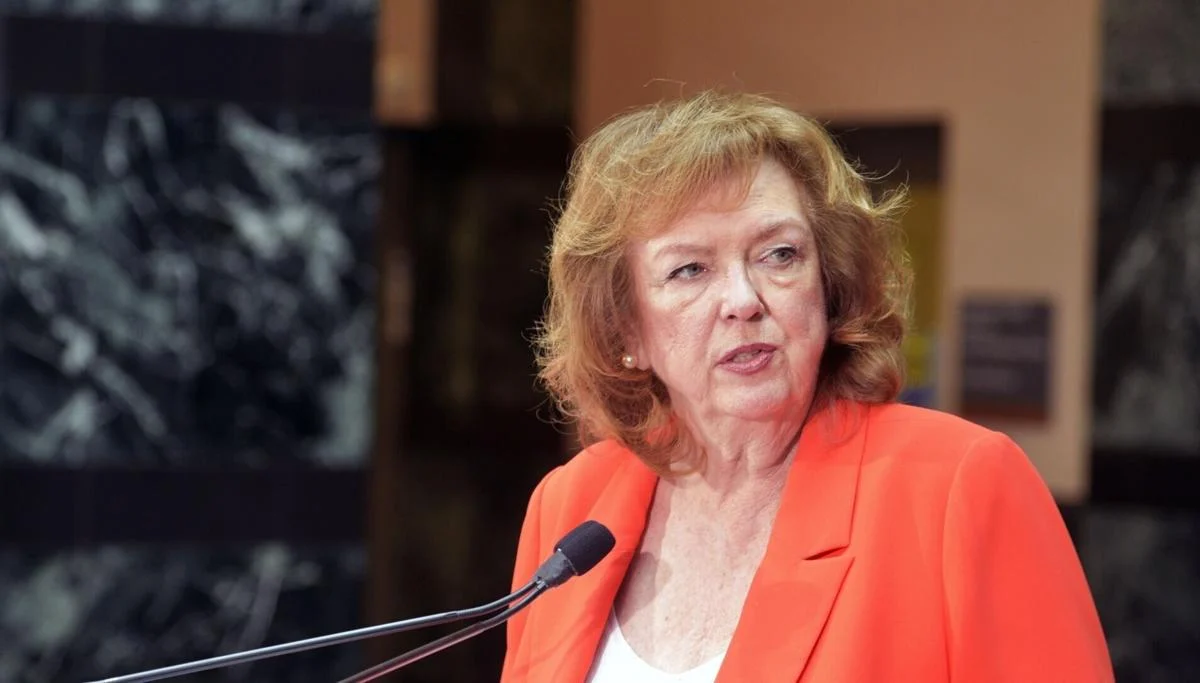
A Peel Regional Council meeting erupted into political drama on June 12 as councillors from Brampton and Caledon walked out in protest of a Mississauga-led motion to defer development charges for new housing.
The motion, introduced by Mississauga Mayor Carolyn Parrish and seconded by Councillor Matt Mahoney, sought to delay the collection of regional development charges (DCs) for multi-unit residential projects until first occupancy — provided building permits are issued by November 2026. It also requested a future report on the feasibility of cutting DCs by 25 to 50 per cent, and called for the Region to apply for federal housing infrastructure funding to support the initiative.
But Brampton Mayor Patrick Brown and Caledon Mayor Annette Groves warned the plan could jeopardize much-needed infrastructure, shift financial burdens unfairly, and stall housing developments instead of speeding them up.
“Deferring servicing for new housing to fund DC cuts is like selling the car to buy gas,” Brown posted on social media following the walkout.
In a joint video statement after the meeting, Brown and Groves said they supported an alternative motion to reduce DCs by 50% — but only for purpose-built rental housing. That proposal was narrowly defeated in a 13–12 vote before the walkout, which left council without quorum and paused further discussion.

Accusations of Cost Shifting and Regional Inequity
Councillor Michael Palleschi, chair of Brampton’s Planning and Development Committee, claimed the Mississauga-backed motion threatened the viability of over 65,000 housing units and 83,000 jobs by delaying critical servicing infrastructure. He also accused Mississauga of trying to offload costs just as Brampton faces record housing demand.
“For decades, Brampton and Caledon have subsidized Mississauga’s rapid growth through shared regional development charges,” Palleschi wrote. “Now, just as we need support, Mississauga wants to rewrite the rules.”
Palleschi pointed to a staff report warning that dramatic cuts to development charges could compromise the Region’s financial sustainability — and ultimately make life more expensive for Brampton residents.
Parrish Fires Back: ‘Mississauga Has Been the Cash Cow’
Mayor Carolyn Parrish defended her proposal, saying Mississauga must use every tool possible to boost housing supply amid a stagnant market.
“If no housing is built, there is no loss. 100% of nothing is nothing,” Parrish wrote in a post-meeting statement, arguing the Region cannot afford to let bureaucratic inaction stall growth.
Pushing back against Brampton’s criticism, Parrish added, “Mississauga taxpayers are the cash cows for Brampton and Caledon,” pointing to what she described as Brampton’s under-contribution to Peel policing costs despite now having a larger population.
“Mississauga has already reduced our own city DCs,” she said. “What has Brampton done?”
Next Steps Unclear as Council Faces Stalemate
With Brampton and Caledon councillors walking out and leaving the meeting without quorum, the controversial motion remains unapproved. The standoff underscores widening divisions within the Region of Peel as each municipality tries to address housing needs while protecting its financial future.
A rescheduled session is expected, though tensions remain high — and a path forward is anything but certain.