

Mark Carney’s G7 Gamble: Diplomatic Outreach or Political Overreach?
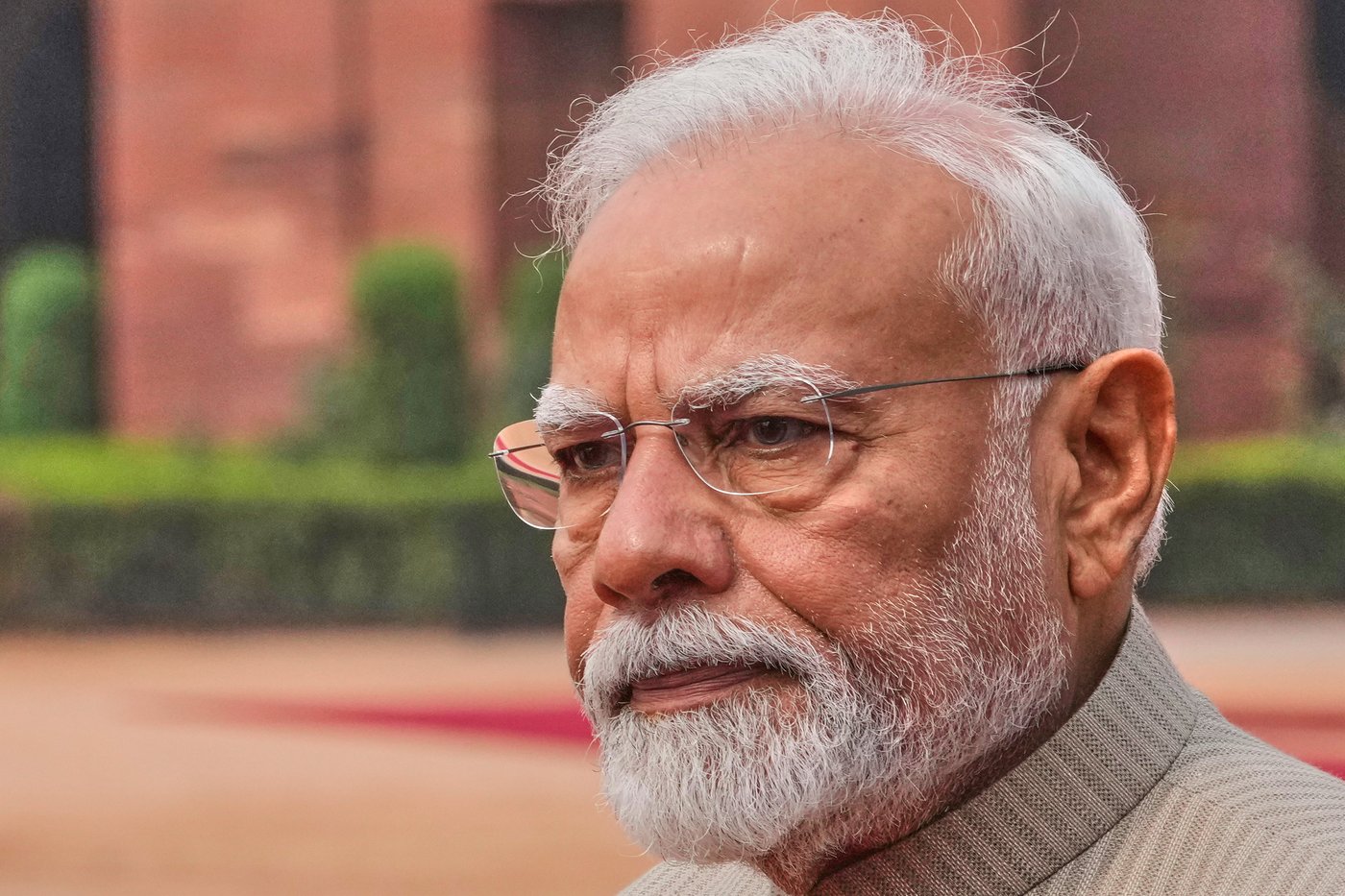
Canadian Prime Minister Mark Carney’s decision to invite Indian Prime Minister Narendra Modi to the 2025 G7 Summit in Kananaskis, Alberta (June 15–17) has become one of the most controversial political moves of his tenure. While aimed at strengthening economic and geopolitical ties, the invitation has sparked protests, inflamed community tensions, and raised critical questions about Canada’s values, sovereignty, and foreign policy direction. At the center of it all is the political risk to Carney himself.
The Core Diplomatic Context: Nijjar Assassination
The backdrop is the 2023 assassination of Hardeep Singh Nijjar, a Canadian Sikh leader, outside a British Columbia gurdwara. Canadian intelligence agencies believe the murder was carried out on Canadian soil by individuals linked to the Indian government. Four suspects have since been arrested and charged. In the wake of the killing, Canada-India relations fell into disarray, with diplomatic expulsions, global headlines, and community outrage.
Risk to Carney:
- Loss of trust from Sikh-Canadians, a politically active and historically supportive constituency.
- Perception of weakness in defending Canadian sovereignty, particularly when evidence implicates a foreign government in extrajudicial killings on Canadian soil.
- Fueling polarization, with communities perceiving double standards in Carney’s human rights commitments.
Domestic Fallout: Protests and Public Outrage
Protests have been announced across major Canadian cities like Brampton, Toronto, and Surrey — home to large Sikh populations. Human rights advocates and political critics have decried the invitation as “a slap in the face” to Canadian justice and sovereignty.
Risk to Carney:
- Political instability within his own Liberal coalition or from opposition MPs who may accuse him of sacrificing values for diplomacy.
- Media backlash portraying him as prioritizing trade optics over justice.
- Heightened security concerns at the summit due to anticipated protests and potential clashes.
India-China Relations: A Diplomatic Tightrope
India’s growing ties with China, despite unresolved border tensions, raise questions about India’s long-term reliability as a G7-aligned partner. Modi’s recent attendance at the BRICS Summit and improving relations with Beijing—at a time when G7 nations are attempting to counter China’s global influence—adds further complexity.
Risk to Carney:
- Strategic misalignment with other G7 leaders who may view India’s China ties with suspicion.
- Diluting G7’s agenda on countering authoritarianism and human rights violations by giving a prominent platform to Modi amid accusations of both.
- Undermining Canada’s positioning as a moral leader on the global stage.
Trump Factor: Geopolitical Shadow
Former U.S. President Donald Trump, who is running for re-election, has also inserted himself into the G7 discourse. His administration continues to apply pressure on Canada over trade, security contributions to NATO, and even energy cooperation. Trump has made cryptic comments about Canada’s sovereignty and once suggested annexation of parts of Canada in jest—statements that gained attention in India’s media.
Risk to Carney:
- Being perceived as a follower, not a leader, if Modi’s invitation is viewed as caving to G6 (U.S., UK, France, Germany, Japan, Italy) pressure to include India.
- Backlash from progressive allies, especially if Trump later spins the G7 as a forum legitimizing authoritarian leaders while undercutting liberal democracies.
- Loss of multilateral leverage, should Carney appear to play into Trump’s transactional diplomacy rather than Canada’s value-based international approach.
Economic Considerations: Trade vs. Trust
India is the world’s fifth-largest economy and a key player in critical minerals, energy, and technology sectors. Engaging India is undeniably pragmatic—but it comes with reputational cost.
Risk to Carney:
- Accusations of economic opportunism—placing trade interests over national security and moral accountability.
- Failure to secure tangible outcomes, making the invitation seem like a hollow gesture.
- Risk of precedent, inviting future autocratic leaders despite ongoing investigations or human rights violations.
Conclusion: Calculated Diplomacy or Political Self-Sabotage?
Prime Minister Mark Carney’s invitation to Narendra Modi reflects a high-stakes bet on diplomacy, influence, and economic alignment. But it’s a gamble laced with domestic unrest, strategic contradictions, and moral hazards. As the summit nears, Carney must answer the central question: Can Canada engage global powers without eroding its democratic foundations?
The political cost of this summit may not be paid in international goodwill—but in votes, credibility, and public trust back home.