

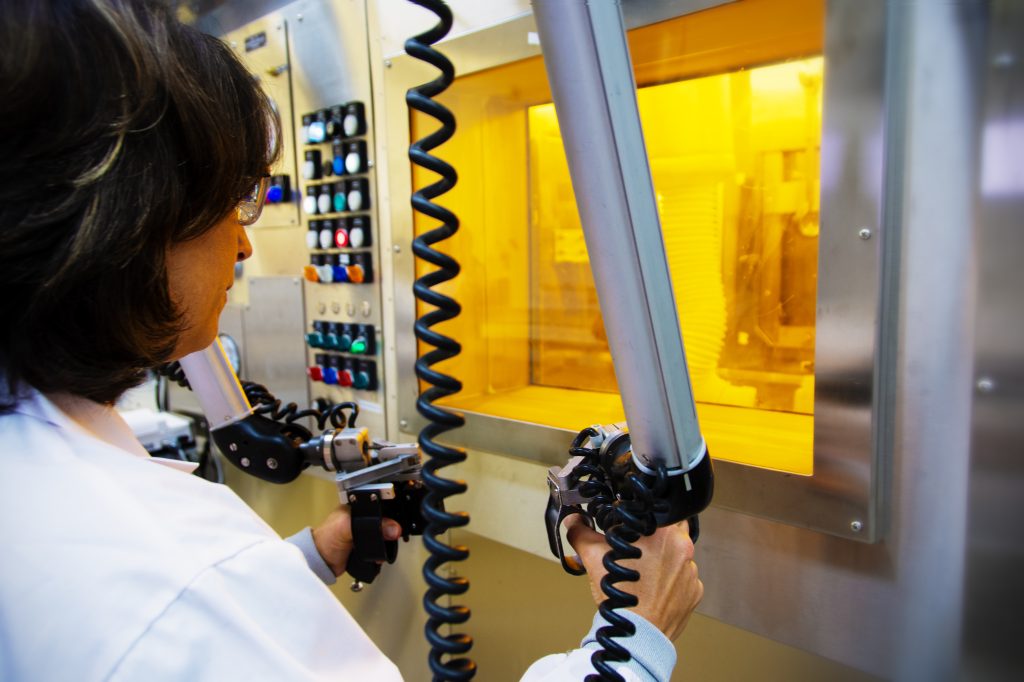
Clarington, Ontario — In a monumental step toward advancing global cancer treatment, the Canadian Nuclear Safety Commission has approved a major expansion of life-saving medical isotope production at Ontario Power Generation’s (OPG) Darlington Nuclear Generating Station—solidifying its place as the largest medical isotope production system in North America.
The expansion allows the plant, through its subsidiary Laurentis Energy Partners, to ramp up the production of two critical isotopes: Yttrium-90 (Y-90) and Lutetium-177 (Lu-177). These isotopes are at the forefront of targeted radionuclide therapies, which attack cancer cells directly while minimizing damage to healthy tissue. They are considered game-changers for treating complex cancers such as prostate, neuroendocrine, and liver cancers.
OPG CEO Nicolle Butcher emphasized the dual impact of Darlington’s operation: “This station is not only meeting Ontario’s clean energy needs—it’s now playing a key role in the future of cancer care. These isotopes will have a real-world impact on patients worldwide.”
Produced without disrupting electricity generation—thanks to the CANDU reactor’s unique design—these isotopes are part of a Canadian innovation ecosystem. After irradiation at Darlington, Y-90 is sent to BWXT Medical’s facility near Ottawa, where it is processed into TheraSphere™ Y-90 glass microspheres by Boston Scientific and exported to over 30 countries.
The production of Lu-177 is equally groundbreaking. With the ability to generate nearly three million doses annually, Darlington could support treatment for up to 500,000 cancer patients each year, vastly improving access to this promising therapy.
Jason Van Wart, CEO of Laurentis Energy Partners, called it “a moment of real hope” for patients and families awaiting new treatment options. “Canada is taking the lead in nuclear medicine, and our work here will directly support life-saving care across the globe.”
This effort builds upon Laurentis’s earlier success producing Molybdenum-99, another isotope used in more than 30 million diagnostic procedures annually. With liver cancer ranking as the fourth leading cause of cancer deaths worldwide, and affecting nearly 5,000 Canadians annually, the need for targeted therapies like Y-90 continues to grow.
Ontario Energy Minister Stephen Lecce applauded the initiative: “This is the kind of leadership that puts Ontario at the forefront of nuclear innovation—creating high-skilled jobs, driving world-class research, and most importantly, saving lives.”
As OPG and Laurentis look to double isotope output over the next six years, Ontario is poised to become a global isotope superpower, reinforcing Canada’s legacy as a pioneer in nuclear medicine and cancer care.