Community Leaders Alarmed as India’s Ruling Party Influence Creeps into Canadian Politics
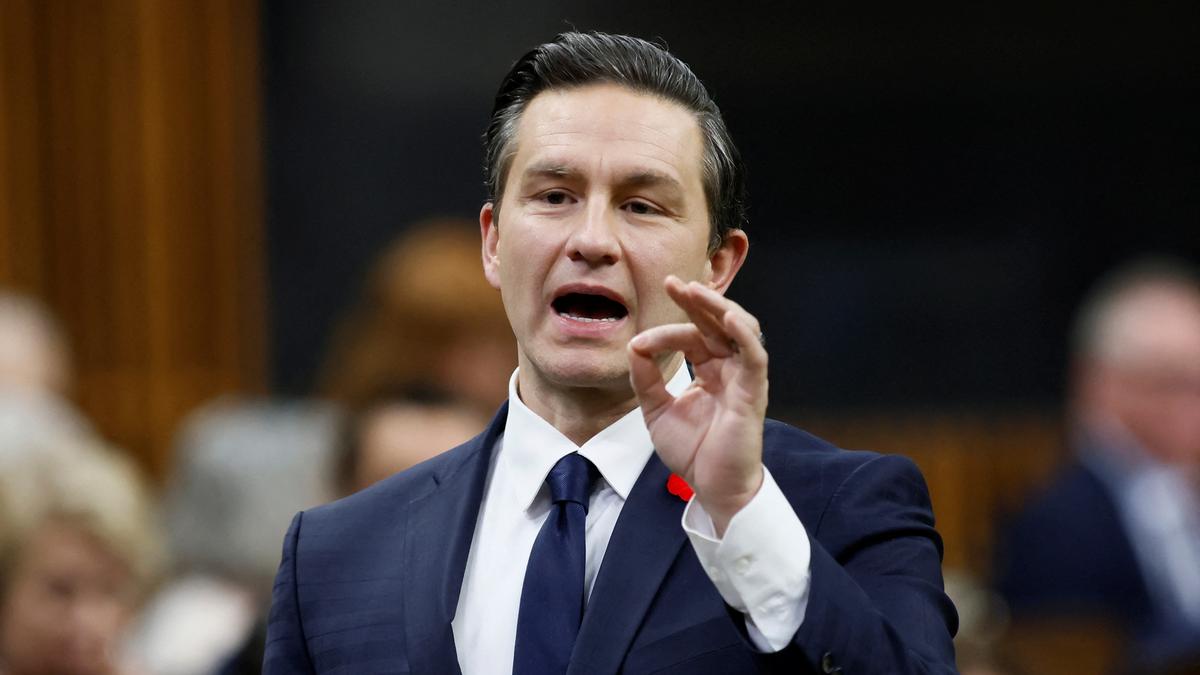
Punjabi-Canadian community over the involvement of individuals with past affiliations to India’s ruling political party in shaping the leadership campaign of Conservative Party leader Pierre Poilievre. A Global News investigation has revealed that figures with strong links to overseas nationalist advocacy groups have contributed financially and mobilized community support in favour of Poilievre’s leadership bid.
Among them is a Vancouver-based realtor and former leader of a now-defunct diaspora organization that openly backed political campaigns in India who contributed more than $5,000 to Poilievre’s campaign, hosted events in his honour, and actively worked to influence voter mobilization among Indo-Canadian communities. Other individuals with similar affiliations have continued their political activities through groups like the Canada India Global Forum and Overseas Friends of India Canada—organizations known for promoting foreign political agendas within Canada’s multicultural framework.
Canadian intelligence agency CSIS has previously flagged possible foreign interference in the 2022 Conservative Party leadership race. According to reports, operatives linked to a foreign government may have purchased memberships and attempted to sway the outcome in favour of Poilievre. Despite the serious nature of these concerns, the Conservative leader has declined to receive a security briefing, raising questions about transparency and national security awareness.
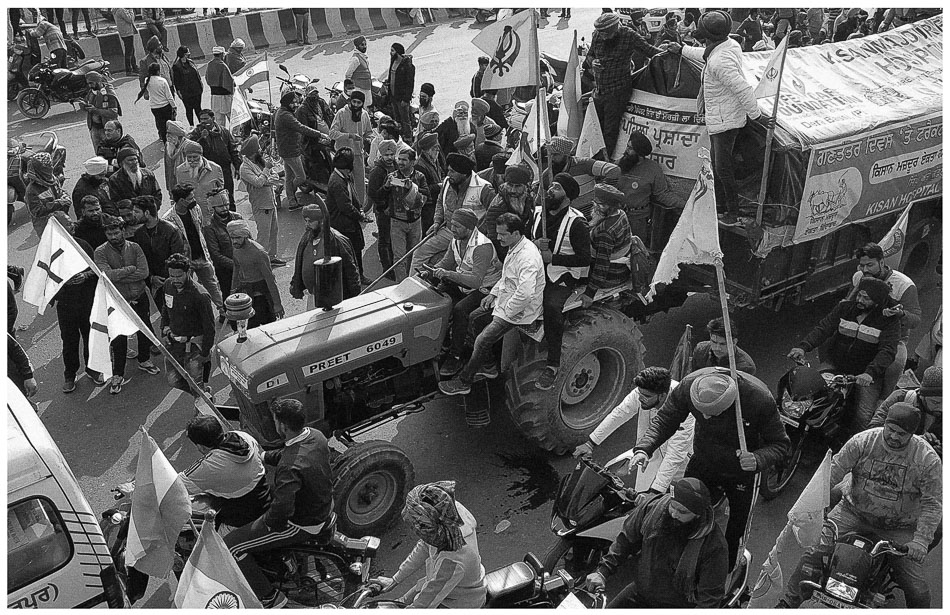
These developments have reignited painful memories within the Punjabi community, particularly surrounding the treatment of farmers during the 2020–2021 Kisan Andolan (Farmers’ Protest). Thousands of farmers, the majority of them from Punjab, peacefully protested three agricultural laws they viewed as a threat to their survival. Instead of dialogue, the protest was met with barricades, water cannons, internet shutdowns, and state repression. Over 700 farmers lost their lives during this movement before the government repealed the laws under mounting pressure.
Among the voices expressing deep frustration is Ravi Singh, a former farmer from Punjab who immigrated to Canada with his family. “When I stood on the roads of Delhi, surrounded by water cannons and barbed wire, I was not just fighting for my land—I was fighting for my dignity. To see people who once supported that crackdown now influencing politics here in Canada is deeply upsetting. We came here believing in freedom, in democracy. We never thought those same influences would follow us across the ocean.”
The growing discontent has galvanized community organizations, particularly in the Greater Toronto Area (GTA), where large segments of the Punjabi diaspora reside. Across Brampton, Mississauga, and Surrey, conversations are intensifying about the implications of this foreign-aligned political support. The Punjabi community in Canada—especially in the GTA—feels deeply insulted and betrayed by the treatment given to Punjabis and farmers in India. The quiet entry of India’s ruling party’s sympathizers into Canadian politics has sparked a movement, with many declaring that they will teach those behind this interference a democratic lesson at the ballot box.
Nachattar Singh, a prominent voice and spokesman on behalf of kisans, stated, “This is not just about policy—it’s about justice. The blood of over 700 farmers was spilled while foreign-funded voices applauded or stayed silent. Today, they want influence in Canada. We say no. We are alert, united, and we will show them through votes that Canada’s democracy is not for sale.”
Community leader Devinder Brar added, “The individuals who were responsible—directly or indirectly—for the deaths of over 700 innocent farmers, and who now support leadership here in Canada, should never be allowed to hold influence or power. We owe it to our democratic system and to every farmer who gave their life to speak up against injustice.”
Compounding these concerns is Poilievre’s continued silence on other key issues, such as the murder of Hardeep Singh Nijjar in British Columbia and the strained diplomatic relations that followed. While leaders from across party lines called for transparency and justice, Poilievre remained silent—raising further speculation about the influence of foreign-aligned political actors within his circle.
As election season intensifies, community leaders and everyday citizens alike are calling for transparency, accountability, and a reaffirmation of Canadian democratic values. The Punjabi-Canadian community has made it clear: the voices of those who harmed their people abroad have no place shaping their future in Canada.