

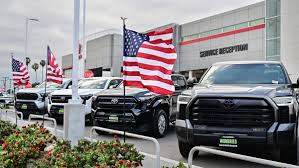
While U.S. President Donald Trump’s sweeping auto tariffs are primarily aimed at foreign-manufactured vehicles, experts warn the real impact will be felt far beyond showroom floors—including by current vehicle owners who have no plans to purchase a new car.
According to a report by the Canadian Chamber of Commerce, the combination of new tariffs on vehicles, steel, and aluminum will drive up the cost of auto repairs and insurance premiums across North America. The analysis from the chamber’s Business Development Lab warns that tariff-induced price hikes for vehicle parts will increase the cost of repairs, which in turn will raise insurance premiums when policies are renewed.
“As repair parts become more expensive and cars cost more to fix, these expenses will likely be passed on to consumers,” the report said, estimating claims-related costs could rise by 1% to 2% due to tariffs on steel and aluminum alone.
Daniel Ivans, a licensed insurance broker and expert at Rates.ca, echoed the concern, noting that while liability or personal injury coverage won’t be affected, approximately 25% of the average auto insurance premium goes toward damage-related coverage. This includes accidents, theft, vandalism, and fires—all categories that become more expensive to insure when parts cost more.
“Overall, we’re looking at potentially between three to eight per cent in premium increases as a direct result of these tariffs,” Ivans estimated. “And these are early figures—things could escalate further.”
Glen Hodgson, senior fellow at the CD Howe Institute, painted an even more concerning picture, forecasting potential insurance hikes of five to 10 per cent, depending on how fully the tariffs are implemented and how the market reacts.
“If the Trump tariffs are fully enacted, with 25 per cent duties both ways on North American-made vehicles, that will clearly drive up prices—not just for new cars, but for repairs and ownership overall,” said Hodgson.
The fallout won’t be limited to insurance. Ivans noted that car repair costs are likely to rise across the board, especially for imported parts or parts manufactured with tariff-affected materials. Labor costs could follow suit, as workers in repair shops seek higher wages to offset inflation.
Consumers are being advised to proactively manage rising costs. In provinces like Ontario, where the insurance market is privatized, Ivans recommends shopping around annually for better rates using aggregator websites and comparison tools.
“The right insurance company for one consumer isn’t always the right one for another,” Ivans explained. “Your location, driving history, and even your car’s make and model all factor into which provider can offer the best price.”
As the North American auto industry braces for turbulence, one thing is certain: car ownership is about to get more expensive, even for those who aren’t thinking about a new vehicle.